
Company Data
CNPJ
Market Cap
Number of Shares
Listing Segment
IPO Date
Key Indicators
P/E
P/VP
DY
Tag Along
Free float
Viability Seal
We use cookies that are necessary for the site to work and, with your permission, analytics and marketing cookies to improve your experience. You can accept all of them or choose what to allow.
Company Data
CNPJ
Market Cap
Number of Shares
Listing Segment
IPO Date
Key Indicators
P/E
P/VP
DY
Tag Along
Free float
Viability Seal
See what thousands of investors think and vote on the assets you consider viable
Company Data
CNPJ
06.626.253/0001-51
Market Cap
R$3.9B
Number of Shares
723.89M
Listing Segment
NOVO MERCADO
IPO Date
9/2/2020
Key Indicators
P/E
11.79
P/VP
1.13
DY
4.83%
Tag Along
100.00%
Free float
41.79%
Viability Seal
Find out whether the asset is viable or a dud
Loading data
Loading...
Discover whether an asset is an opportunity or a risk through our seal.


CASH3
Méliuz S.A

PETR4
Petróleo Brasileiro S.A Petrobras

ABEV3
Ambev S.A

ITUB3
Itaú Unibanco Holding S.A
The stock is undefined relative to the fair price by the Graham formula.
R$5.43
The stock is undefined relative to the fair price by the Bazin formula.
R$5.43

Pague Menos is a pharmaceutical retail company, being the third largest pharmacy chain in terms of the number of stores in Brazil. In general, the company is managed under the concept of drugstore, meaning it offers both brand-name and generic medications. Additionally, Pague Menos also provides hygiene and cleaning products, as well as multivitamin products and perfumery items.
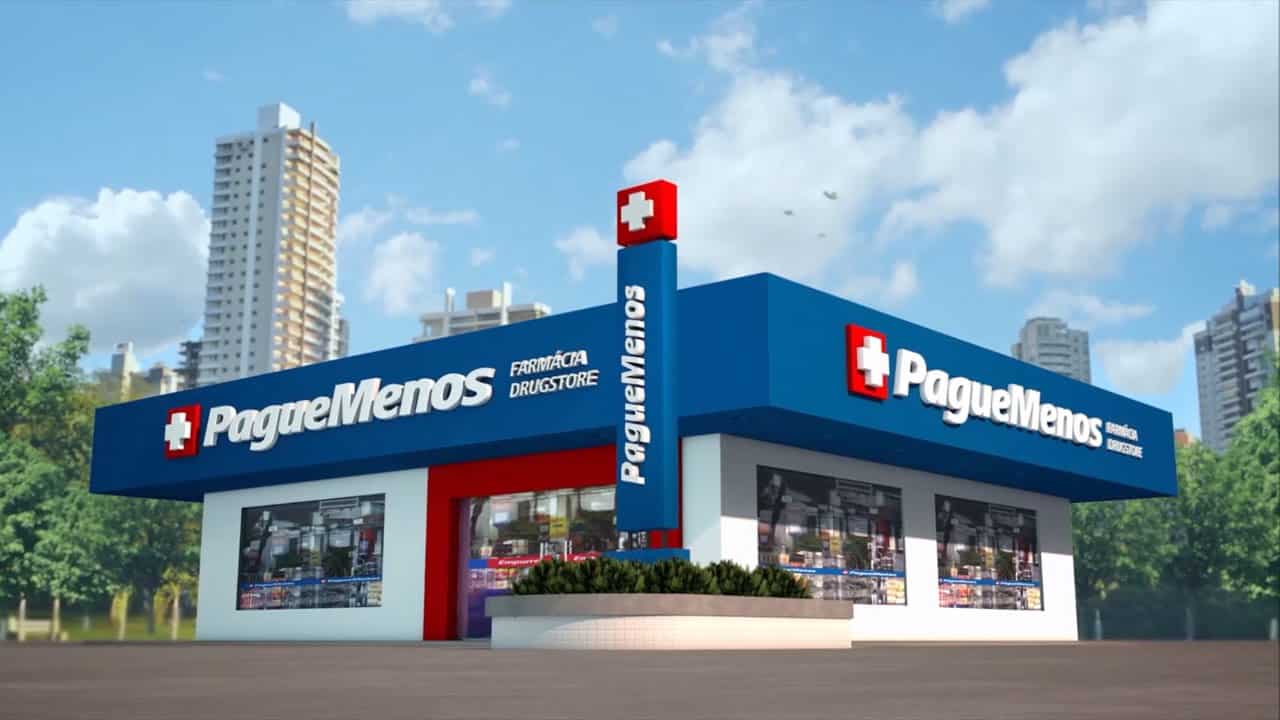
In the North and Northeast markets, for example, Pague Menos is a leader in market share. Furthermore, the chain has 1,112 stores in 327 Brazilian municipalities. Therefore, its main products are:
Brand-name (reference) and generic medications, subject to medical prescription;
OTC products (over the counter – products not requiring a prescription), including prescription-free medications and multivitamin products;
Hygiene and beauty items;
Customized Medications.
The company's business model is structured around the sale of products and services that cater to the health and well-being of customers. In this case, Pague Menos sells medications formulated by compounding pharmacies, that is, tailor-made products for customers seeking personalized items.
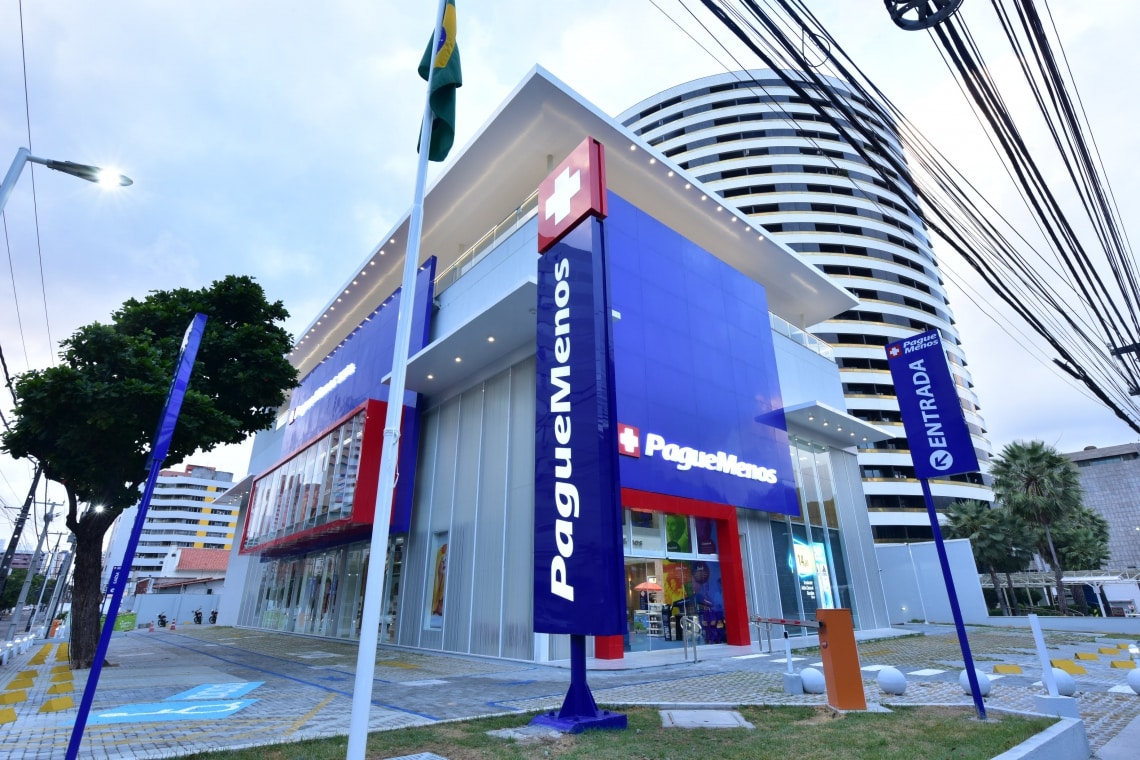
In addition to the medications produced by compounding pharmacies, the Pague Menos pharmacy chain also has over 1,300 exclusive products, in addition to its private label products. Regarding private label products, the pharmacy chain works with the brands Pague Menos, Power Vita, Amorável, and Daufe, primarily focusing on hygiene items, perfumery, convenience, and vitamins.
The history of Pague Menos began in 1981, with the opening of the first Pague Menos Pharmacy in Fortaleza, the capital of Ceará. Since the company's founding by Francisco Deusmar de Queirós, the development of the pharmacy has always been based on the words “Innovation”, “Convenience”, and “Citizenship”. As a result, the pharmaceutical company quickly gained the preference of the Ceará market.
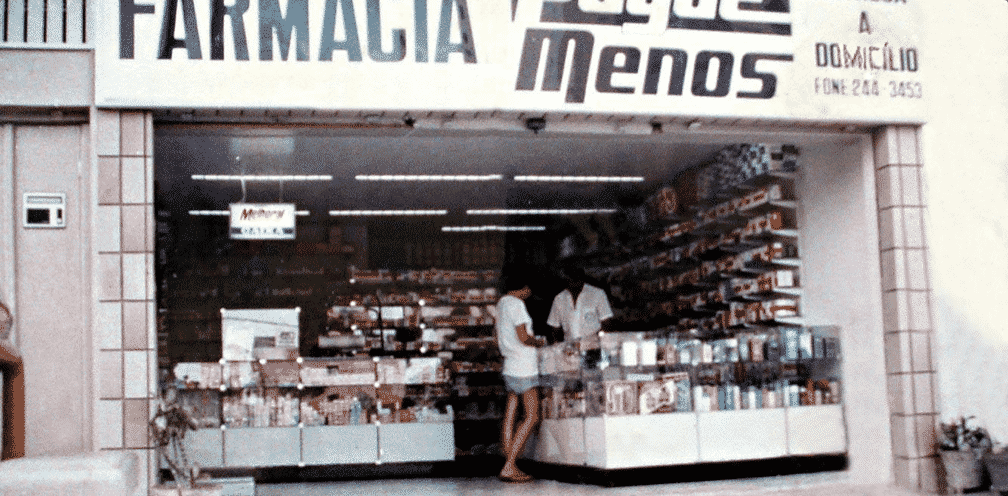
It didn't take long for Brazil to start paying attention to Pague Menos' innovative actions. At the time of the opening of the first Pague Menos pharmacy, the pharmacy's actions were bold for a sector that, until then, did not have a store exclusively for selling medications.
In 1985, Pague Menos began investing in social programs and thus created the Wheelchair Donation Program, as well as the Ambulance Donation Program. In the same year, the pharmacy created the concept of “drugstore”, where it began to offer a differentiated store environment to customers.


