Banese – Banco do Estado de Sergipe S.A. is a publicly traded financial institution, controlled by the State of Sergipe. The bank is the main promoter of economic growth for the population of Sergipe, where it operates by providing banking services.
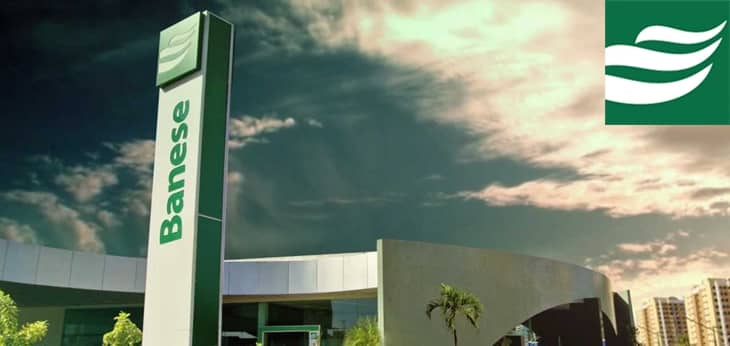
Together with Sergipe Administradora de Cartões e Serviços Ltda. (SEAC), Banese forms an economic conglomerate, where Banese Corretora e Administradora de Seguros, the Caixa de Assistência dos empregados do Banese (CASSE), and the Instituto Banese de Seguridade Social (SERGUS) are also part of the brand.
In fact, the Instituto Banese de Seguridade Social is responsible for managing social and environmental responsibility, in addition to supporting cultural manifestations in the State of Sergipe.
Banese's operations are primarily focused on offering banking services to individuals, as well as providing working capital financing for small and medium-sized enterprises.
Additionally, the bank is involved in financing the construction of real estate projects, conducting operations derived from transfers from BNDES and BNB, through rural and industrial portfolios.
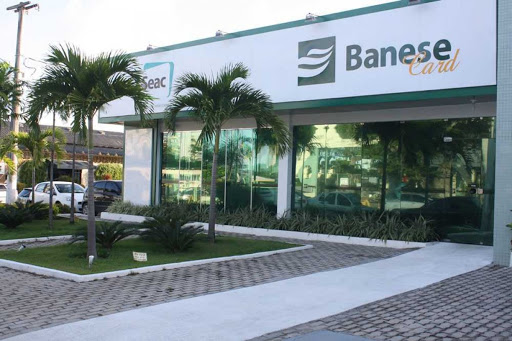
The financial institution's business strategy is aimed at achieving excellence in value generation, both for clients and employees. To this end, Banese segments and redesigns its business models, thereby achieving greater loyalty and growth through its customer base.
In the year 2020 alone, the company registered a total of 888,786 clients, including checking and savings accounts for individuals and corporate clients. In total, Banese has 63 branches, 9 service points, and 491 self-service terminals (ATMs), located in all 75 municipalities of Sergipe.
The history of Banese began in 1961, when the financial institution was created under the name Banco de Fomento Econômico (BANFESE), during the government of Luiz Garcia. The bank's activities began in full on January 2, 1964.
In 1967, after undergoing changes in its organizational structure, the bank changed its corporate name to Banese – Banco do Estado de Sergipe S.A. In the same year, the first branches of the bank were inaugurated in the interior of Sergipe.
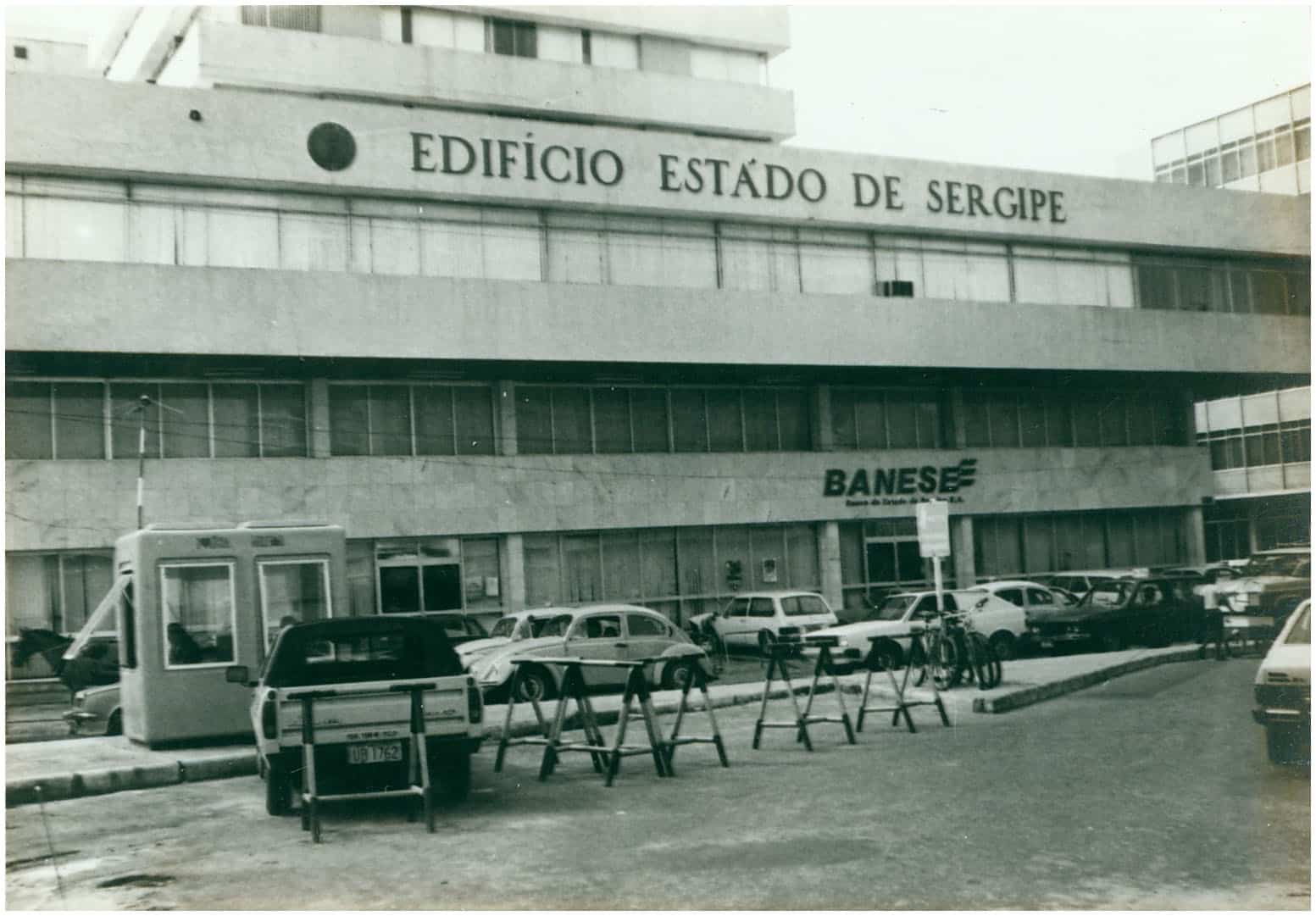
Between 1964 and 1975, Banese expanded its operations in the State of Sergipe and opened branches in Itabaiana, Boquim, Lagarto, Estância, Nossa Senhora das Dores, and Aquidabã. During the same period, the Caixa de Assistência dos Funcionários was also created, along with the Associação Atlética Banese.
By 1978, the bank underwent an administrative restructuring, where the development of the Human Resources area was prioritized. Additionally, the financial institution also implemented the financial, planning, and systems and methods sectors.
In the 1980s, as part of the expansion process, Banese created BACISA (Banese Crédito Imobiliário/Poupança Banese), Banese Corretora de Seguros, SERGUS, the Open Market Portfolio, and the Federal Government's Single Account System.
In 1991, Banese became a multiple financial institution, automating its network of branches. Furthermore, the bank connected to over 4,700 agencies and state banks spread across Brazilian states.
There was a period when the bank faced difficulties, and to overcome the moment of crisis, it began investing in the appreciation of its employees, in banking products, in modernizing the service network, as well as investing in automation and technology.
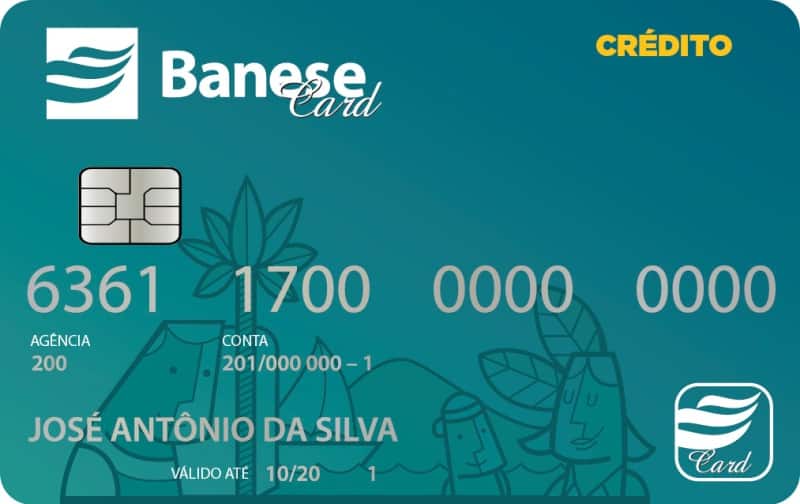
As a result, Banese launched the Banese Card, an exclusively Sergipe card focused on developing the economy of the population of Sergipe. Additionally, the bank also launched Ponto Banese, a network of banking correspondents that allows clients to pay and conduct transactions at various establishments.


 1
1 1
1


