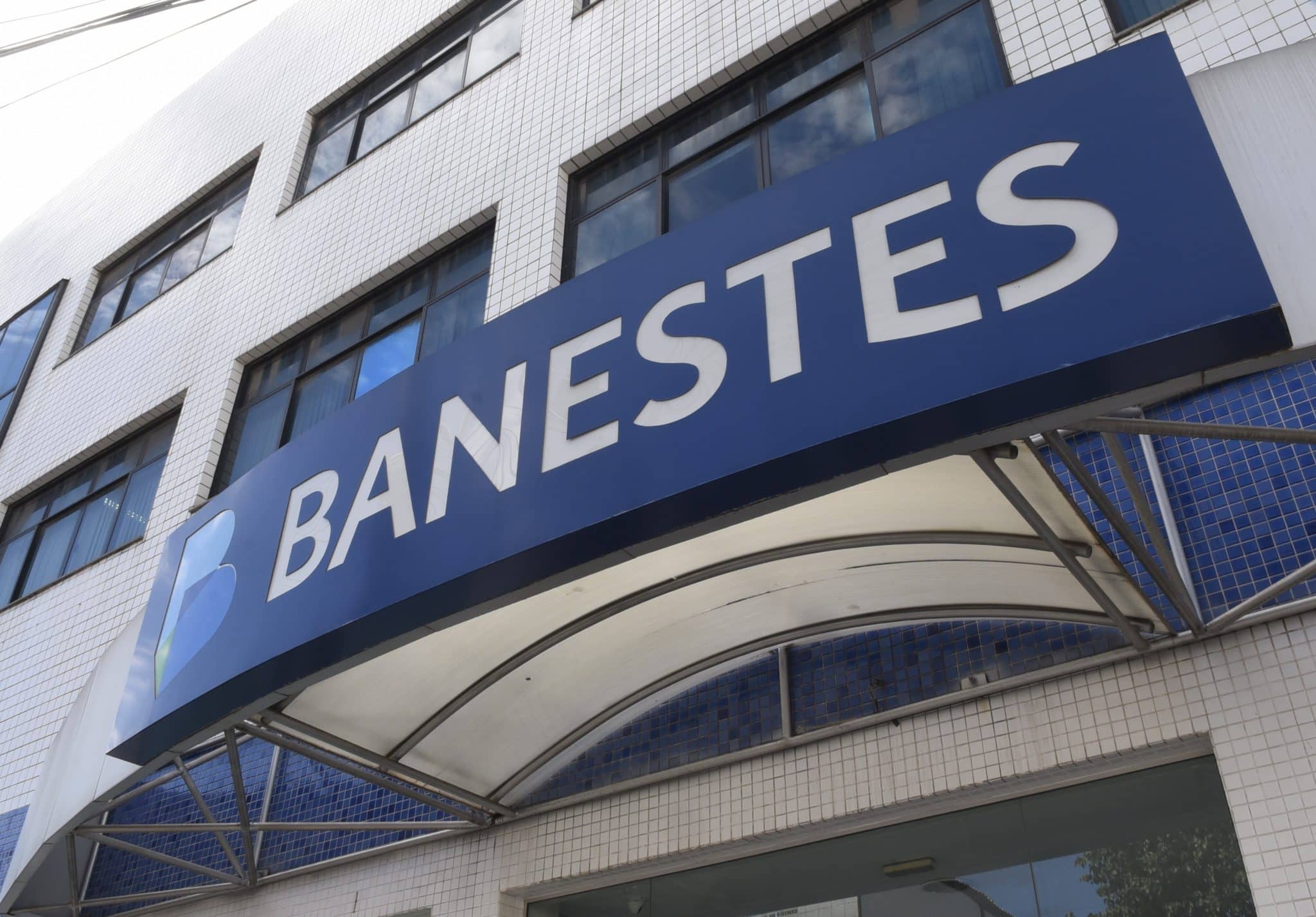
The Bank of the State of Espírito Santo S.A. (Banestes) is a multiple financial institution, controlled by the government of the State of Espírito Santo. The bank has the majority of the banking networks in the State and operates in all 78 municipalities of Espírito Santo..

In addition, the bank is composed of three companies: Banestes Seguros S.A., Banestes Distribuidoras de Títulos e Valores Mobiliários S.A. and Banestes Administradora, Corretora de Seguros, Previdência e Capitalização Ltda, which together make up the Banestes Financial System..
The financial institution has a total of 870 service points, where it serves more than 1.1 million clients, in addition to having a wide portfolio of banking products and services aimed at both individuals and legal entities.
The government of Espírito Santo is responsible for holding a percentage of 92% of the common shares of Banestes, in addition to part of the preferred shares of the company. The other part of the shares is held by the other shareholders of the bank.
Individuals who use Banestes have access to various banking services, such as: personal credit, credit and debit cards, overdraft, financing of goods, various types of insurance, deposits and payments, as well as opening savings accounts and investments.
For corporate clients, Banestes offers lines of credit for investment, business credit lines, credit lines for agriculture and livestock, microcredit, provision of services and management of third-party resources and collection of securities, BNDES resource operations, among other banking operations.
The history of Banestes began in 1937, when the financial institution was founded under the name of the Agricultural Credit Institute of Espírito Santo. At that time, the bank provided credit for the economic activities that were in force in the state of Espírito Santo, such as coffee crops, beef cattle, and milk production.

In the 1940s, the state of Espírito Santo went through a period of economic recession, where citizens had to face drought, economic stagnation, and wars. During the same period, the then president of Brazil at the time, Getúlio Vargas, replaced the Brazilian currency, the réis, with the cruzeiro. This measure led the bank to devise measures to exchange money as quickly as possible.
During the 1950s and 1960s, Banestes changed the direction of its banking services, as the country entered the process of industrialization. Thus, while initially the bank's activities were focused on the agrarian model, in the 50s and 60s the products offered by the bank were aimed at the arrival of new industries in the country.
In the 1970s, the Agricultural Credit Institute of Espírito Santo (RuralBank) changed its name to Banestes – State Bank of Espírito Santo, as we know it today. The change came after a request from the Central Bank to standardize the names of state banks.

In the 1990s, Banestes began the process of computerizing the institution and, with that, started linking banking services with technology. In addition, the bank expanded its operations until all municipalities in the state were benefited.
Currently, the bank has a strong presence in agricultural activities, where it contributes immensely to the development of Espírito Santo, serving the state's inhabitants.


 6
6


