
Company Data
CNPJ
Market Cap
Number of Shares
Listing Segment
IPO Date
Key Indicators
P/E
P/VP
DY
Tag Along
Free float
Viability Seal

We use cookies that are necessary for the site to work and, with your permission, analytics and marketing cookies to improve your experience. You can accept all of them or choose what to allow.
Company Data
CNPJ
Market Cap
Number of Shares
Listing Segment
IPO Date
Key Indicators
P/E
P/VP
DY
Tag Along
Free float
Viability Seal
See what thousands of investors think and vote on the assets you consider viable
Company Data
CNPJ
83.475.913/0001-91
Market Cap
R$395M
Number of Shares
140.98M
Listing Segment
NOVO MERCADO
IPO Date
11/11/1991
Key Indicators
P/E
-1.24
P/VP
-3.80
DY
2.82%
Tag Along
100.00%
Free float
31.48%
Viability Seal
Find out whether the asset is viable or a dud
Loading data
Loading...
Discover whether an asset is an opportunity or a risk through our seal.


CASH3
Méliuz S.A

PETR4
Petróleo Brasileiro S.A Petrobras

ABEV3
Ambev S.A

ITUB3
Itaú Unibanco Holding S.A
The stock is undefined relative to the fair price by the Bazin formula.
R$2.86
| Indicator |  PTBL3 PTBL3 |
|---|---|
P/E | -1.24 |
P/B | -3.80 |
Dividend yield | 2.82% |
Market cap | R$ 395 mi |
Net debt/EBITDA | 3.58 |
Net margin | -12.37% |
AVG. DAILY LIQ. | R$ 2.010.607,24 |
Portobello is currently the largest coating company in all of Brazil. Thus, the company works with a variety of coating materials, such as: ceramics, stone, porcelain, and wood.
Through Officina Portobello, the company offers products such as countertops, supports, trays, and accessories made of wood, glass, and metal.
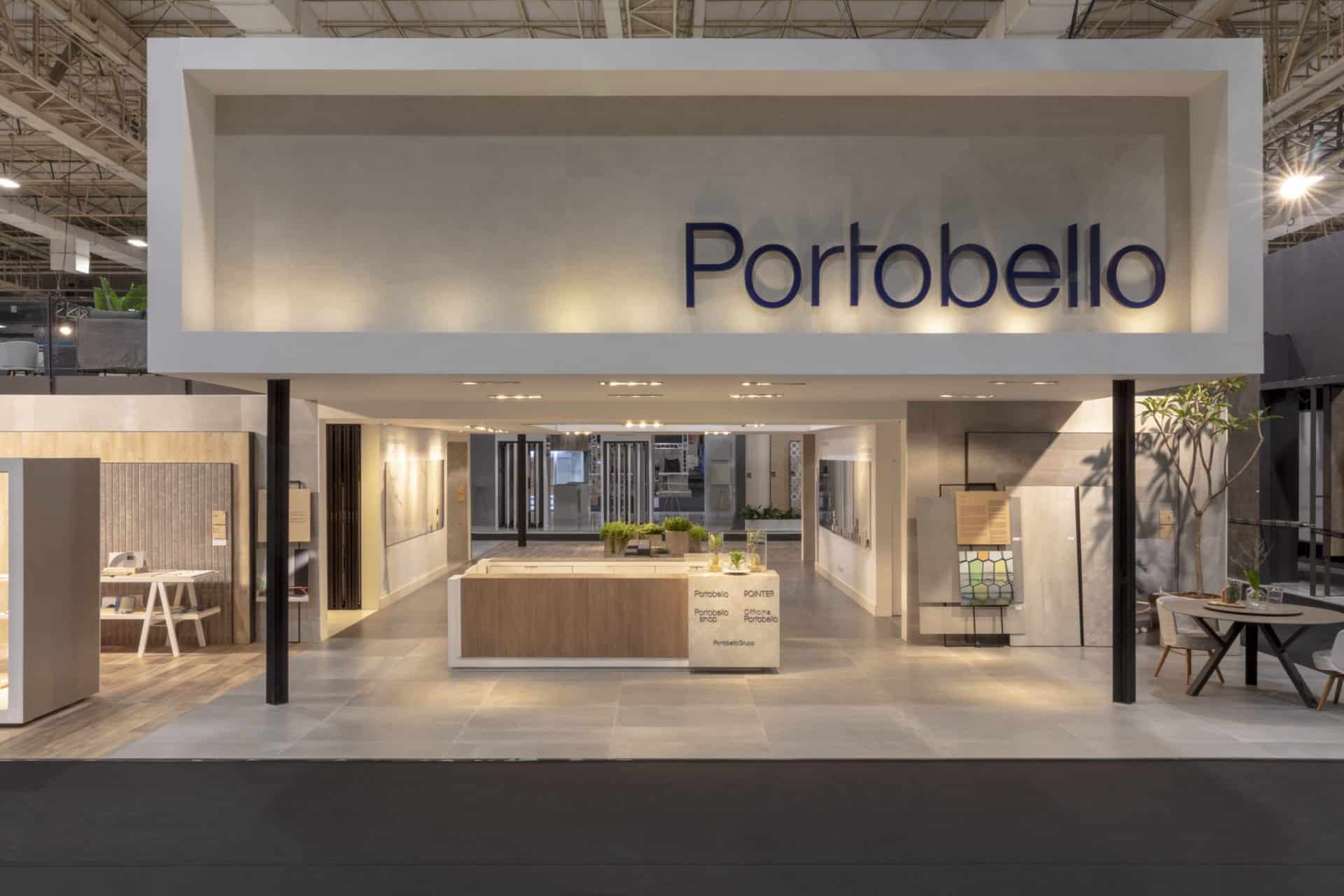
Regarding its numbers, Portobello produces about 30 million square meters annually. It reports a gross revenue of R$ 1.4 billion and has more than 3,434 employees.
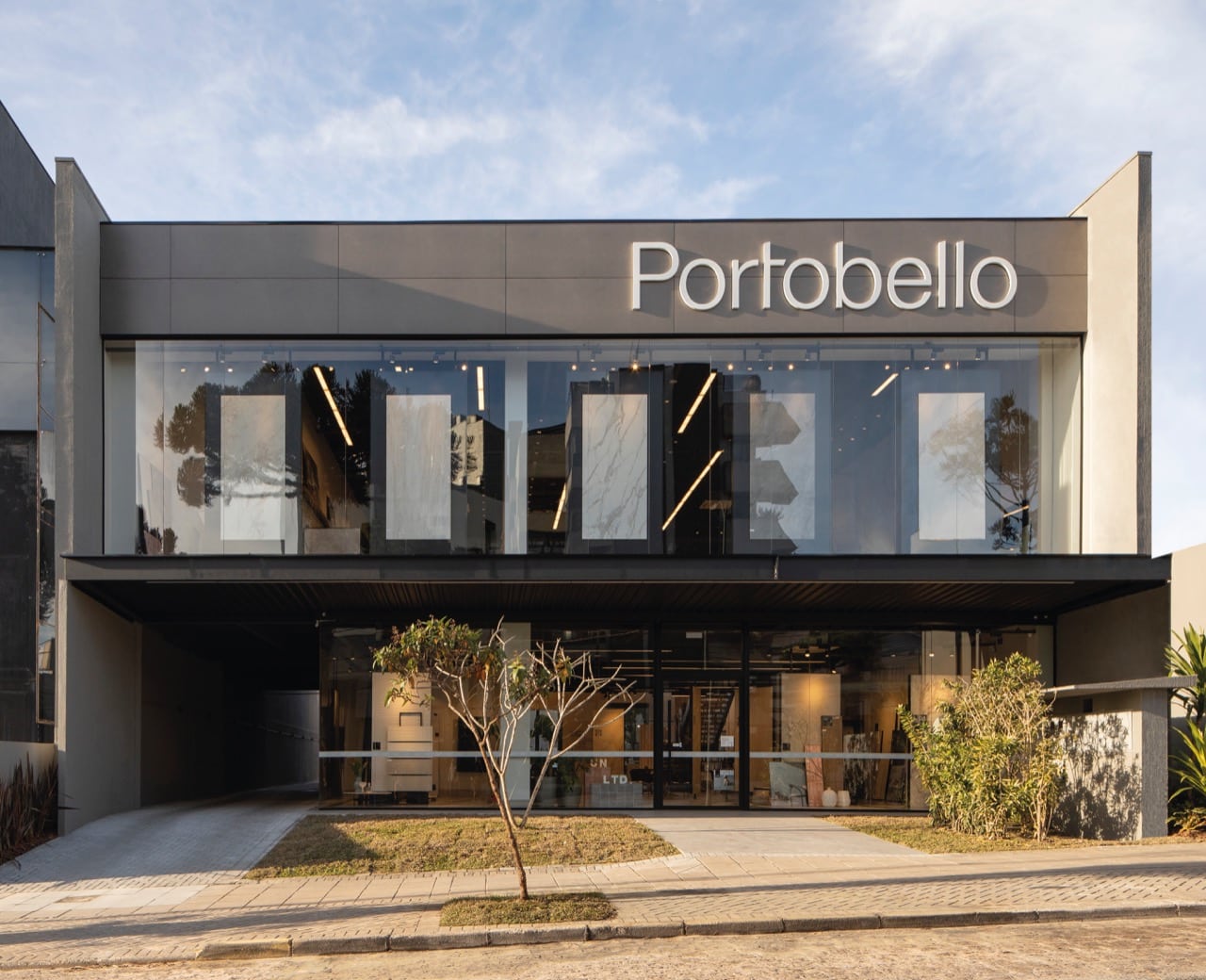
The company sells its products not only in Brazil but also serves countries across five continents through Portobello Shop multi-brand resellers and the sales channel for construction companies.
A very important pillar for the company is sustainability. In this way, all Portobello products are developed sustainably, respecting natural resources and biodiversity. In its sustainable production process, four stages stand out:
Quarries: The company takes care of the environmental regeneration of the quarries and follows pre-established criteria for managing social impacts and quarry licenses.
Water: Portobello has its own water sources and reuses 100% of the water used in its production process.
Energy: The heat from the ceramic production process at Portobello is used as an energy source. In addition, the company always invests in clean energy sources and technologies for the rational use of natural resources.
Waste: Portobello redefines or recycles 99.9% of the waste generated. The company also encourages the redefinition of third-party waste.
The history of one of the largest companies in Brazil and Latin America began in 1979, the year Portobello started its ceramic activities. A few years after being founded, the company began its first exports in 1981.
Always in search of innovations, Portobello launched the Heavy Load line in 1984, the first line of flooring for high traffic. Three years later, in 1987, the Industrial Park was expanded, reaching 1 million m² per month.
In 1991, the company innovated again by launching coatings for facades. In 1992, outsourcing began to bring a new type of ceramic to Brazil, porcelain imported from Italy.
As sustainability has always been important for the company, in 1993 a new Industrial Effluent Treatment Station was built.
This made it possible to separate solid particles so that they could be recycled and returned to the production chain as raw material.
Later, in 1995, the first furnace to receive heat recovery technology was implemented. With this technology, the company began to save energy and reduce the environmental impact of production.
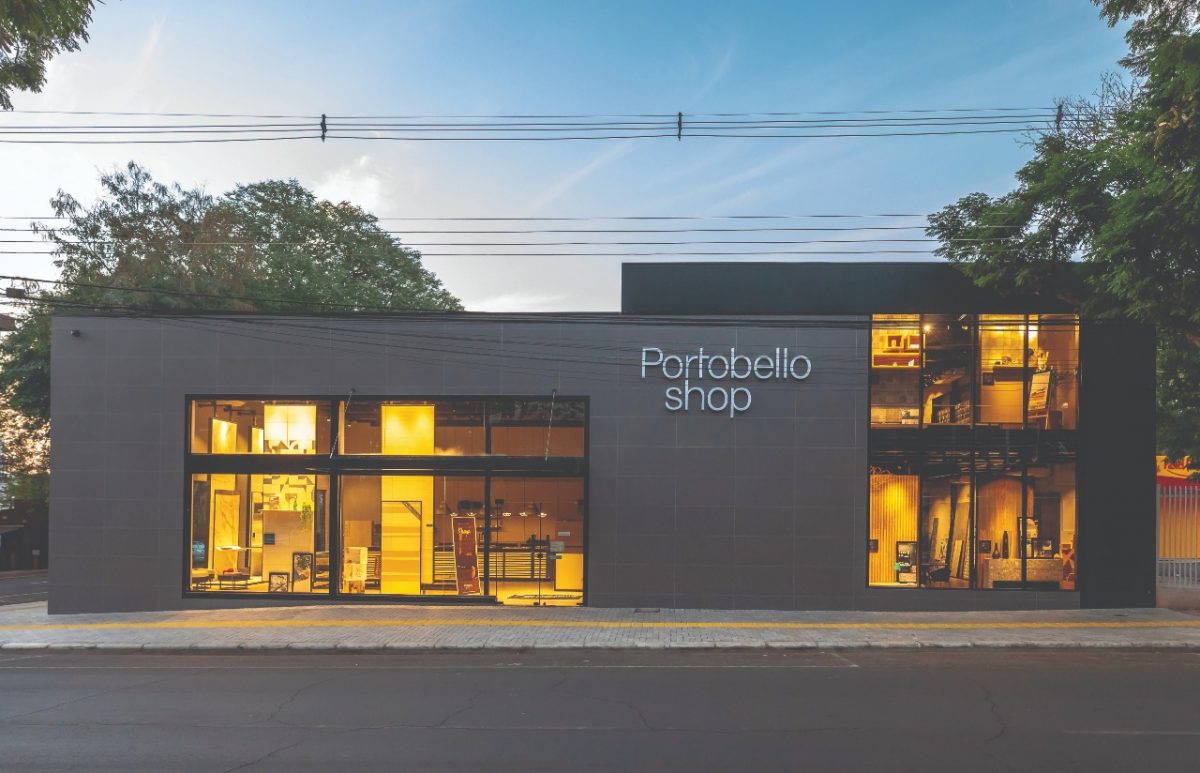
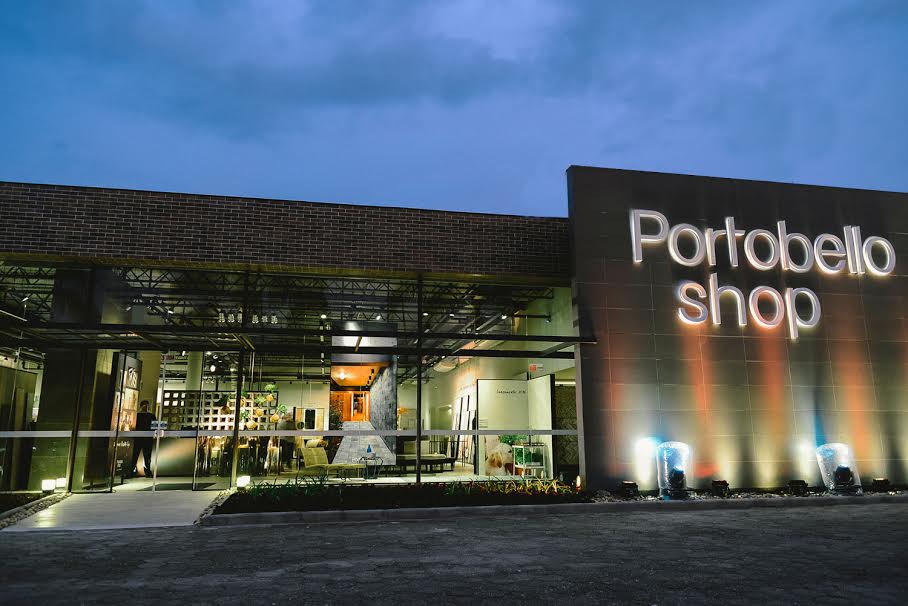
In 1998, the Portobello Shop Franchise Network was launched. In 2000, the company implemented the use of natural gas in the factories, a clean energy source for the ovens and dryers.
In 2001, the company innovated its products by starting the production of porcelain, and in 2005, exports reached 60% of sales. In 2008, it went public with adherence to the Novo Mercado and expanded the Industrial Park and consolidated the Portobello Shop Store Network with 100 stores.
In 2010, the company launched reduced thickness porcelain, and in 2011, production began with digital printing technology. By 2012, Portobello became the largest ceramic coating company in Latin America.
In 2013, the launch of Large Formats occurred, and in 2015, the opening of Pointer, the most sustainable factory in Latin America, took place. In 2016, the Officina Portobello project began, along with the first Standard Store Project certified by Green Building Leed.
Later, in 2018, the launch of Portobello America in the USA occurred, along with adherence to the UN Sustainable Development Goals Movement. Finally, in 2020, the implementation of the Solidarity Collective in the Portobello Shop network took place, with various social actions.
