
Company Data
CNPJ
Market Cap
Number of Shares
Listing Segment
IPO Date
Key Indicators
P/E
P/VP
DY
Tag Along
Free float
Viability Seal
We use cookies that are necessary for the site to work and, with your permission, analytics and marketing cookies to improve your experience. You can accept all of them or choose what to allow.
Company Data
CNPJ
Market Cap
Number of Shares
Listing Segment
IPO Date
Key Indicators
P/E
P/VP
DY
Tag Along
Free float
Viability Seal
See what thousands of investors think and vote on the assets you consider viable
Company Data
CNPJ
02.635.522/0001-95
Market Cap
R$914M
Number of Shares
303.54M
Listing Segment
NOVO MERCADO
IPO Date
2/8/2021
Key Indicators
P/E
-18.05
P/VP
0.47
DY
0.26%
Tag Along
100.00%
Free float
31.90%
Viability Seal
Find out whether the asset is viable or a dud
Loading data
Loading...
Discover whether an asset is an opportunity or a risk through our seal.


CASH3
Méliuz S.A

PETR4
Petróleo Brasileiro S.A Petrobras

ABEV3
Ambev S.A

ITUB3
Itaú Unibanco Holding S.A
The stock is undefined relative to the fair price by the Graham formula.
R$3.05
The stock is undefined relative to the fair price by the Bazin formula.
R$3.05
Jalles Machado is a company that operates in various areas, but its main activity is sugar production.
In fact, the organic sugar produced by Jalles Machado is exported to over 20 countries.
This is one of the reasons why Jalles Machado is considered one of the largest producers and exporters of sugar in the world.
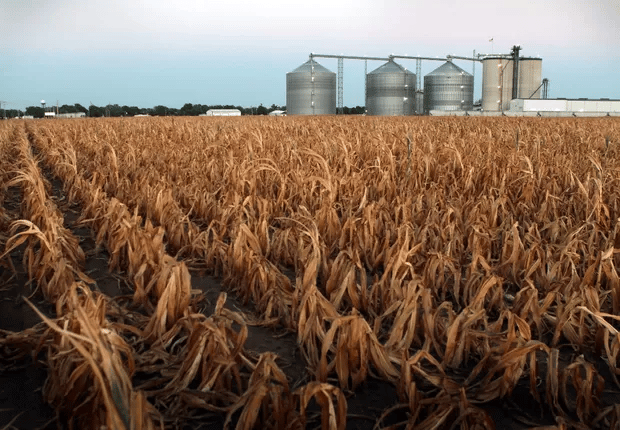
Currently, the company's industrial units generate over 3,800 direct jobs.
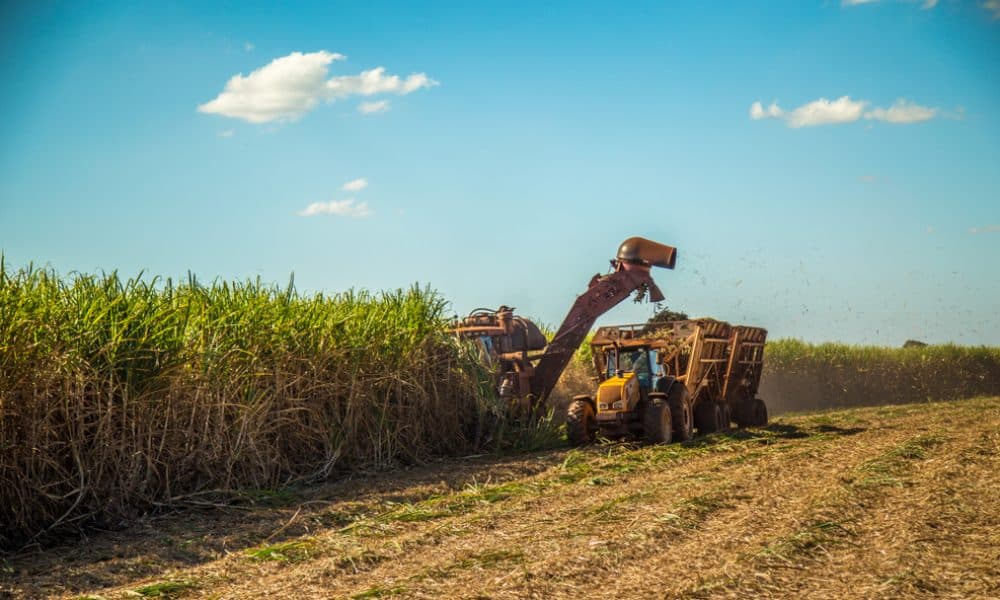
Since the company's operations are 100% mechanized, this helps reduce costs associated with farming.
In short, Jalles Machado's products are:
Sugar: The sugar produced by Jalles Machado is marketed under the Itajá brand. In addition to white sugar, the company also focuses on producing organic sugar, a high-value product primarily aimed at the foreign market.
Furthermore, Jalles Machado produces VHP (Very High Polarization) sugar, which is exported to countries such as the USA, Russia, Canada, Nigeria, the United Arab Emirates, India, Indonesia, and Bangladesh.
Ethanol: The company produces anhydrous ethanol to be mixed with gasoline, and hydrated ethanol for direct use in engines.
Additionally, Jalles Machado produces organic ethanol that is used in the pharmaceutical, cosmetics, beverage, alcohol-chemical, and food industries.
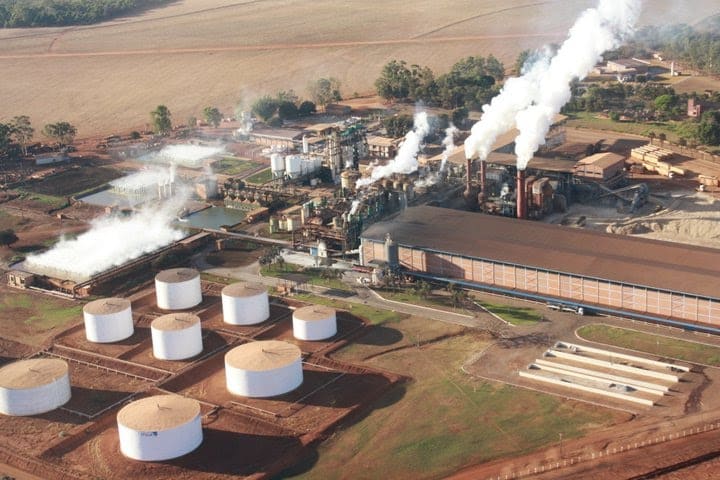
Cogeneration: Through sugarcane bagasse, Jalles Machado generates its own energy. It has the capacity to supply a city of 300,000 inhabitants.
By replacing fossil energy with clean energy, the company also sells carbon credits.
Sanitizers: Jalles Machado also produces beauty products. Thus, the company manufactures products such as liquid alcohol, gel alcohol, and hospital disinfectants.
Yeast: Finally, Jalles Machado also produces dry yeast. The company does this by reusing the surplus raw material from alcoholic fermentation.
The company has an installed capacity for the production of 22 tons per day.
Jalles Machado was founded in 1980 by Otávio Lage in Goianésia, Goiás. In summary, at that time, the mayor was Jalles Fontoura, who was looking for a way to generate jobs for the city.
Cattle ranching was strong in the city, but not enough to employ all the people.
Thus, Otávio Lage began to arrange for the creation of an alcohol distillery in the region.
At that time, in order to face the Oil Crisis, the federal government, through the National Alcohol Program (Proálcool), invested in production and encouraged the consumption of cane fuel.
Thus, the farmers of Goianésia began to produce cane and supply the raw material for the industry.
Therefore, through the leadership of Otávio Lage and the participation of the farmers, on July 16, 1980, the Cooperative of Sugarcane Producers of Goianésia Ltda (Cooperálcool) was created.
In summary, the institution was responsible for: soil preparation, planting, cultural practices, transportation, and sales to the distillery, as well as the distribution of profits to the producers.
Initially, the cooperative partnered with Brasálcool, but later realized that the best option was for the industry to also be owned by the local farmers.
In the end, Otávio Lage arranged for the implementation of the distillery, and on November 14, 1980, the Goianésia Alcohol Distillery S.A. was established.
On May 4, 1983, the first harvest began, lasting 121 days. During this period, 13 million and 796 thousand liters of alcohol were produced from 192,379 tons of cane supplied by Cooperálcool.
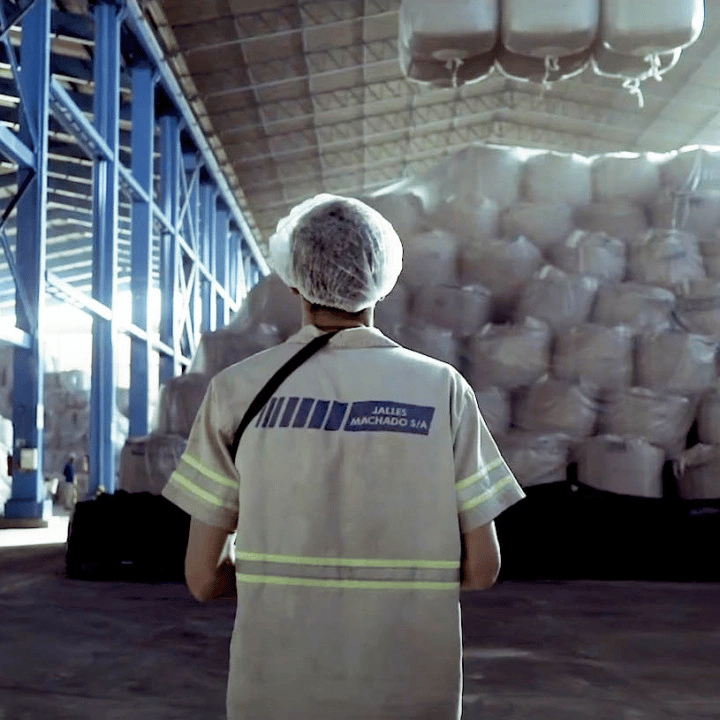
An important detail is that, at that time, social responsibility and environmental preservation were not priorities for companies.
But Otávio Lage had these concerns. So much so that in 1983, he founded the Department of Social Assistance, which focused on serving the employees and families of the distillery and the cooperative.
The following year, the first Social Assistance Plan (PAS) was developed, implemented annually by the company, allocating a percentage of gross revenue to social actions.
In 1985, the Coopergasa Association was founded, a recreational club for the employees and families of Cooperálcool and Goianésia Álcool.
Currently, Coopergasa is called the Jalles Machado Sports Association, which offers swimming lessons, a soccer school, sports courts, and soccer fields.
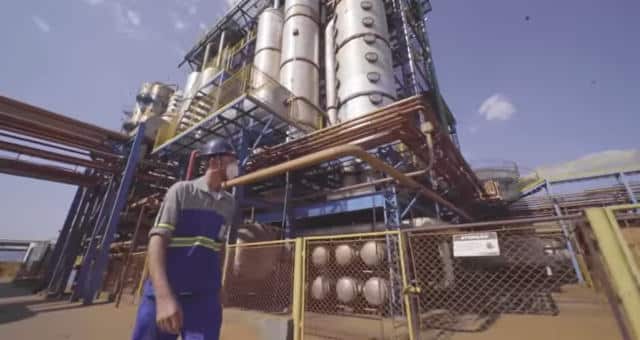
By the end of the 1980s, the mechanization of sugarcane harvesting was already a reality. However, each machine would replace 100 sugarcane cutters.
Concerned about job generation for people, the cooperative leaders encouraged the planting of rubber trees in the region.
This is because latex extraction is done manually, thus absorbing the workers from sugarcane.
Currently, the Goianésia region is one of the largest producers of natural rubber in Brazil.
Around 1990, Cooperálcool sold the sugarcane fields to Goianésia Álcool S.A. As a result, the industry became responsible for both the industrial and agricultural aspects.
In 1993, the agro-industry began producing crystal sugar. Additionally, Goianésia Álcool S.A changed its name to Jalles Machado S.A. Sugar and Alcohol.
Later, in 1997, the company began exporting sugar to some countries. Still in 1997, the company implemented a power plant and was a pioneer in Goiás in cogenerating energy through the use of sugarcane bagasse.
Furthermore, Jalles Machado S.A. Sugar and Alcohol changed its name to simply Jalles Machado S.A.
By 2001, Jalles Machado became the first company in the sugar-energy sector to sell Carbon Credits.
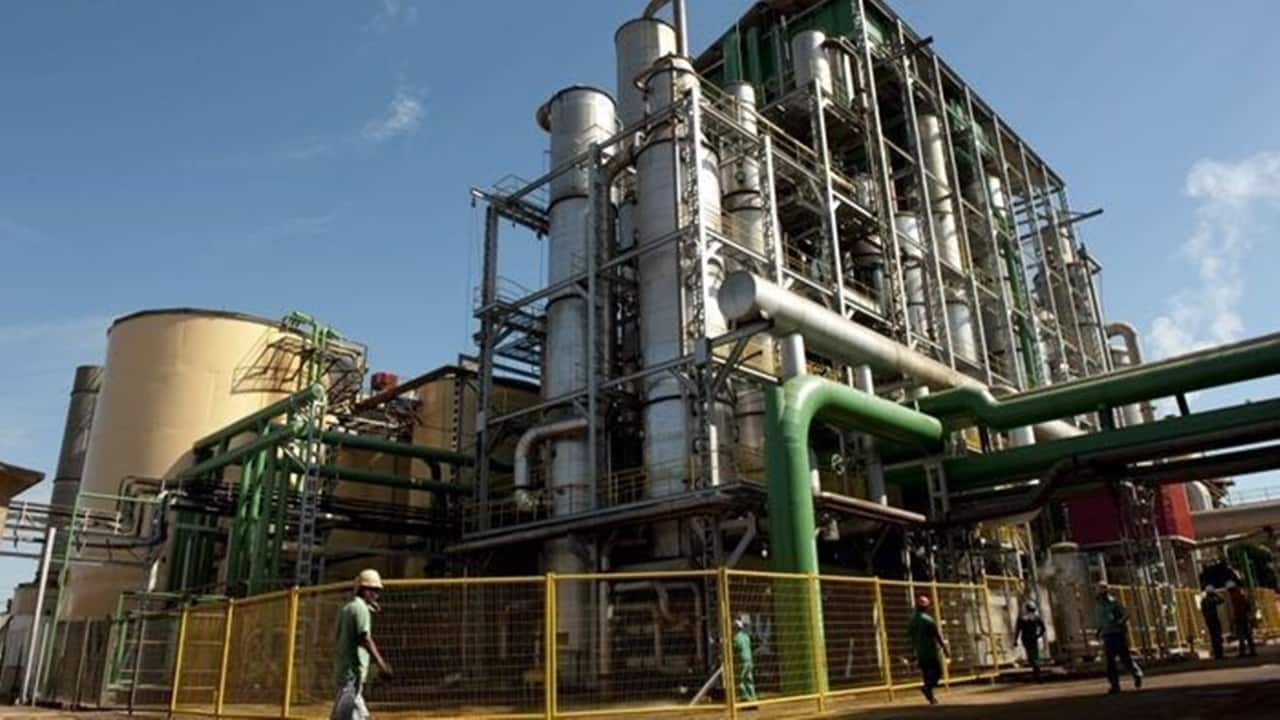
In the same year, the company also established a sanitizers factory and began producing various types of household and professional cleaning products.
In 2003, the production of organic sugar began, which is now exported to the USA, Europe, Canada, Japan, Asia, and the Jewish and Muslim communities.
Finally, after more than 40 years of history, in 202a, Jalles Machado went public on the stock exchange.
With the IPO, the company raised nearly 750 million reais.


