
Company Data
CNPJ
Market Cap
Number of Shares
Listing Segment
IPO Date
Key Indicators
P/E
P/VP
DY
Tag Along
Free float
Viability Seal

We use cookies that are necessary for the site to work and, with your permission, analytics and marketing cookies to improve your experience. You can accept all of them or choose what to allow.
Company Data
CNPJ
Market Cap
Number of Shares
Listing Segment
IPO Date
Key Indicators
P/E
P/VP
DY
Tag Along
Free float
Viability Seal
See what thousands of investors think and vote on the assets you consider viable
Company Data
CNPJ
76.627.504/0001-06
Market Cap
R$68M
Number of Shares
54.39M
Listing Segment
BOLSA
IPO Date
12/13/1985
Key Indicators
P/E
-0.25
P/VP
-0.04
DY
4.56%
Tag Along
Unknown
Free float
89.62%
Viability Seal
Find out whether the asset is viable or a dud
Loading data
Loading...
Discover whether an asset is an opportunity or a risk through our seal.


CASH3
Méliuz S.A

PETR4
Petróleo Brasileiro S.A Petrobras

ABEV3
Ambev S.A

ITUB3
Itaú Unibanco Holding S.A
The stock is undefined relative to the fair price by the Bazin formula.
R$1.18
The history of Inepar S.A. began in 1953, with the founding of Enco Ltda. Engineering and Trade. With 59 years of experience in the market, the company has established itself as one of the largest infrastructure companies in the country.
Initially specialized in the transmission and distribution of electric power, Inepar expanded its business over time, also becoming involved in the energy generation, material handling, metro-rail transport, housing, and process equipment markets.
With offices in São Paulo, Araraquara, Rio de Janeiro, and Curitiba, Inepar is recognized for being involved in major infrastructure projects in Brazil and abroad. The company's manufacturing activities are concentrated in Araraquara, in an industrial park covering more than 840,000 m².
With a qualified team and highly technological resources, Inepar benefits from the synchronization between its units and factories. Additionally, it is the company's responsibility to adhere to sustainable ideals, demonstrating concern for the environment through intelligent solutions in equipment and services offered by the company.
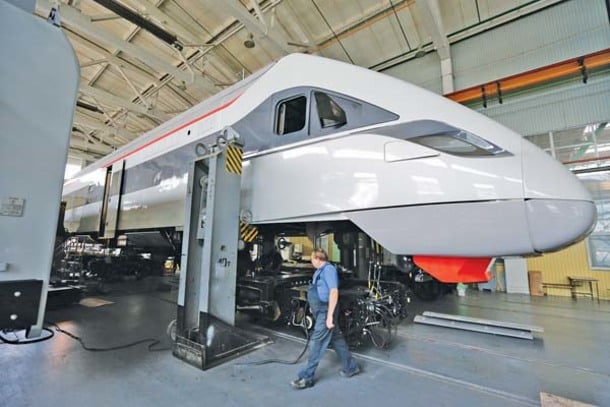
In this sense, Inepar is a company that aims to become the largest and best provider of products, systems, services, and solutions for the basic infrastructure of the energy, transport, oil, chemical, and petrochemical sectors.
Inepar began its history in 1953, with the founding of Enco Ltda. Subsequently, in 1968, Inepar S/A Indústria e Construções was officially created. However, it was only in 1976 that Enco was incorporated by Inepar, marking the beginning of its operations.
In 1987, Inepar acquired Westinghouse do Brasil S/A and all the technology for manufacturing semiconductors and other items that were developed in Curitiba. From the 1990s onwards, with the creation of Inepar S/A Eletroeletrônica, the company began its expansion process.
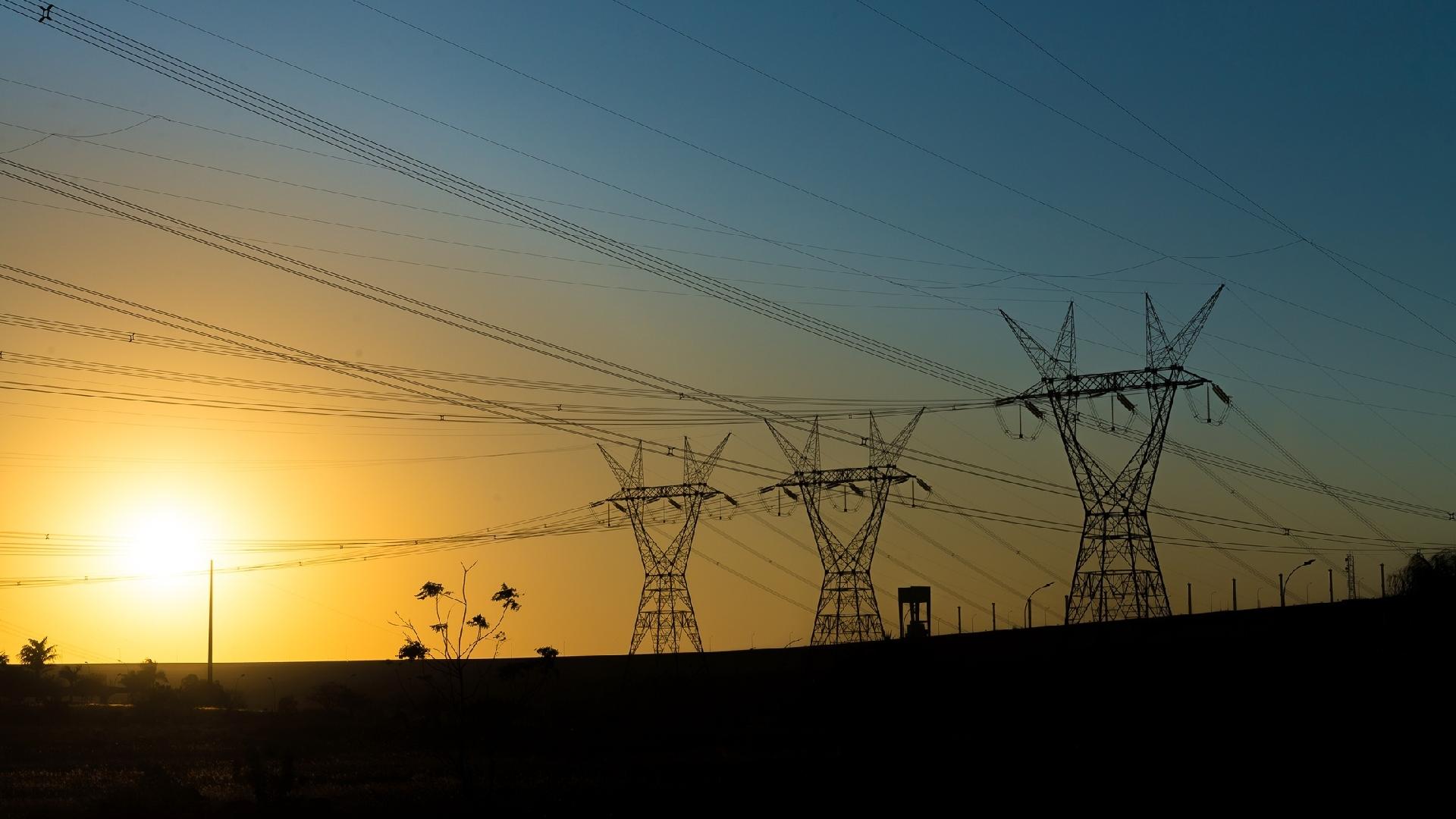
The following years were marked by acquisitions of companies, factories, and stakes in businesses alongside companies such as General Electric do Brasil S/A and Hubbell Inc (USA). In 1997, for example, Inepar acquired GE's stake in a subsidiary and formed joint ventures with companies like Siemens.
As part of its expansion, also in that year, Inepar was responsible for joining with GE Hydro Canada, with the aim of marketing and manufacturing turbines and generators for hydroelectric plants throughout Latin America.
However, with the arrival of the 2000s, Inepar underwent an operational restructuring, which included the creation of business units dedicated to electrical equipment; energy transmission; construction, assembly, and services; capital goods; and Joint Ventures.
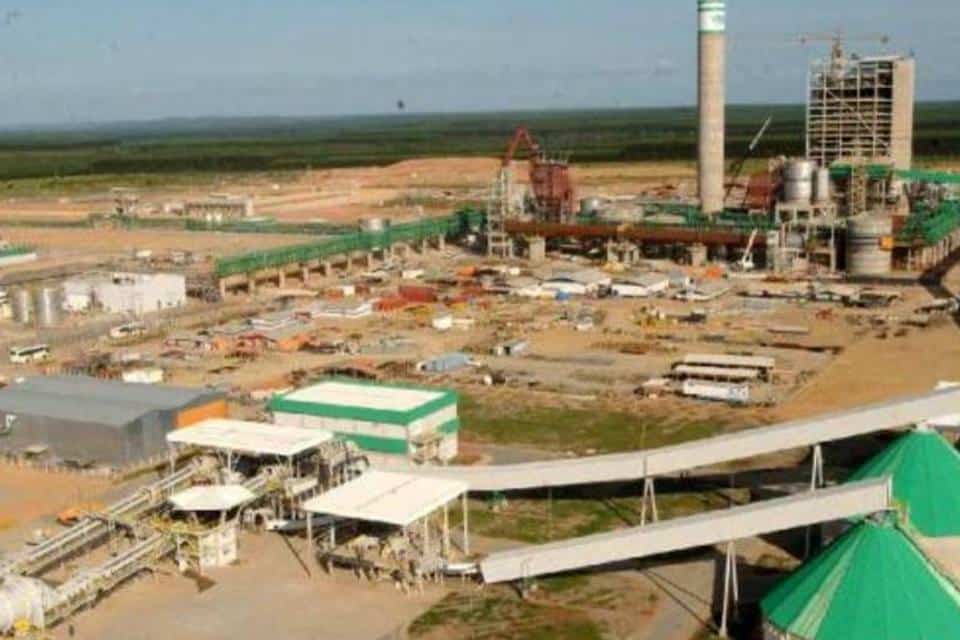
Thus, the beginning of that decade was marked by the incorporation of controlled companies, such as Internacional de Engenharia S/A (IESA) and Sade Vigesa Industrial e Serviços S/A. During this same period, more specifically in 2001, the company achieved a sales record exceeding R$1 billion and a revenue record of around R$900 million in gross revenue.
The year 2008 was marked by a 40% growth compared to previous years, in addition to being a period of reformulation of some joint ventures, the entry of European companies, and the installation of new machines to better meet production aimed at the hydro-generation market.
In this sense, that year would also see the creation of CNTI (Center for Technology of New Businesses and Control of IESA/INEPAR Companies) in Florianópolis. Additionally, the company also created 1,000 jobs, reaching 5,500 employees distributed across factories, offices, construction sites, and consortia.
In 2011, Inepar joined Level 1 of Corporate Governance at the Stock Exchange and committed to adopting differentiated management practices, with transparency and market relations, in order to provide detailed and transparent information about the company.


