Döhler is a Brazilian company in the textile sector that manufactures various household items, fabrics for furniture and mattress industries, as well as corporate linens and solutions for the hotel and hospital sectors.
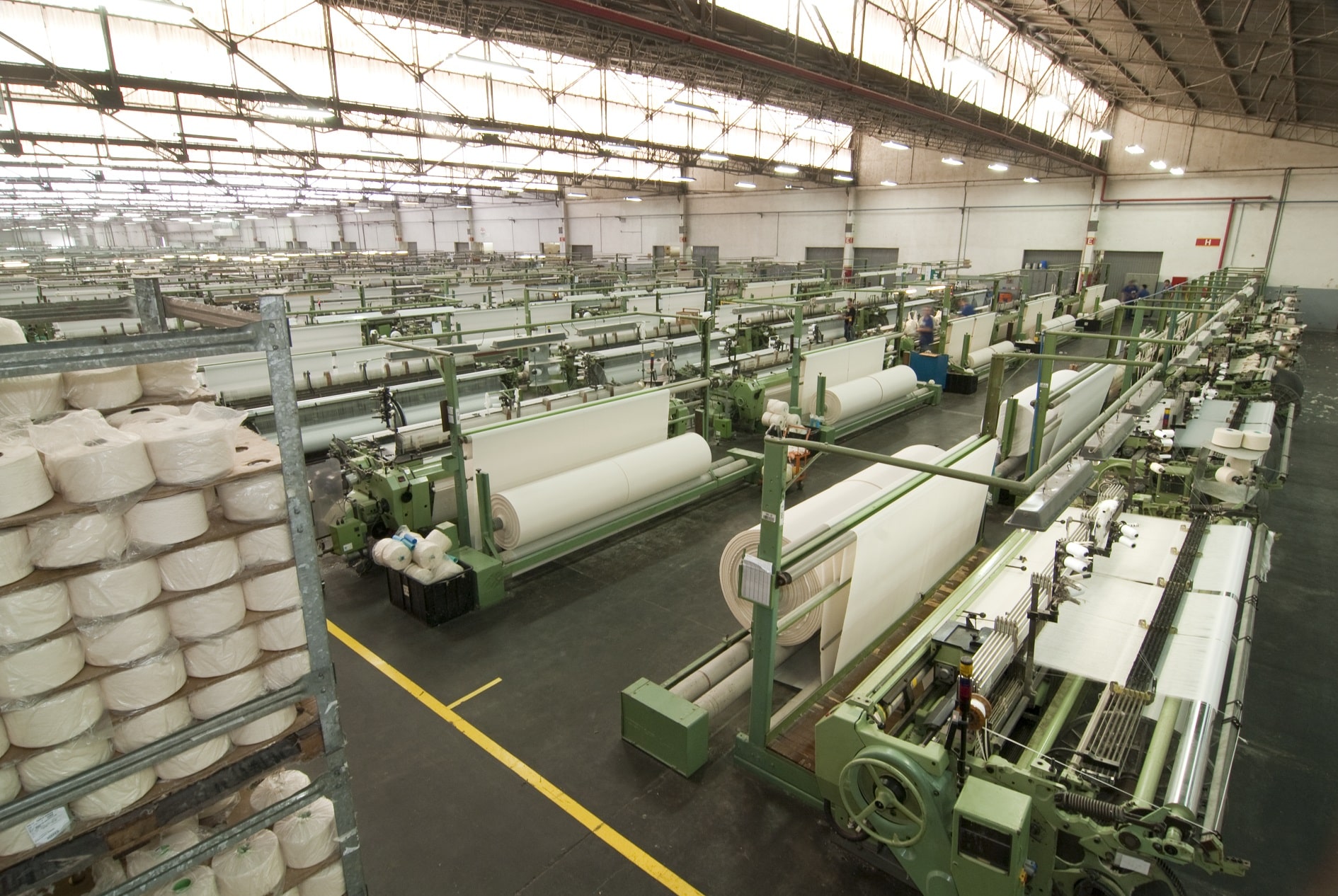
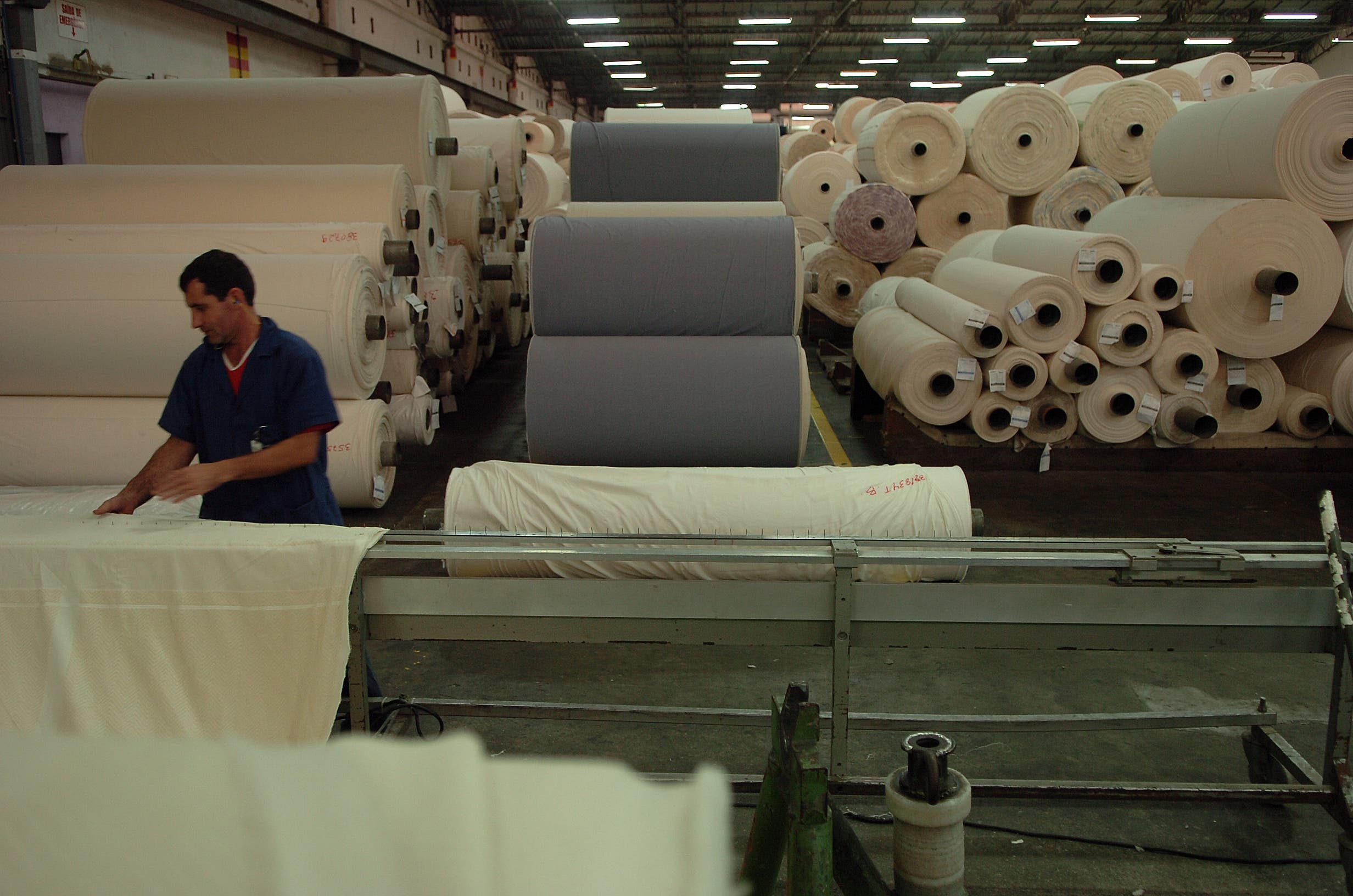
With over 130 years of history, Döhler exports its products to more than 40 countries. It produces approximately 1,400 tons of fabrics per month and about 858 million meters of yarn daily.
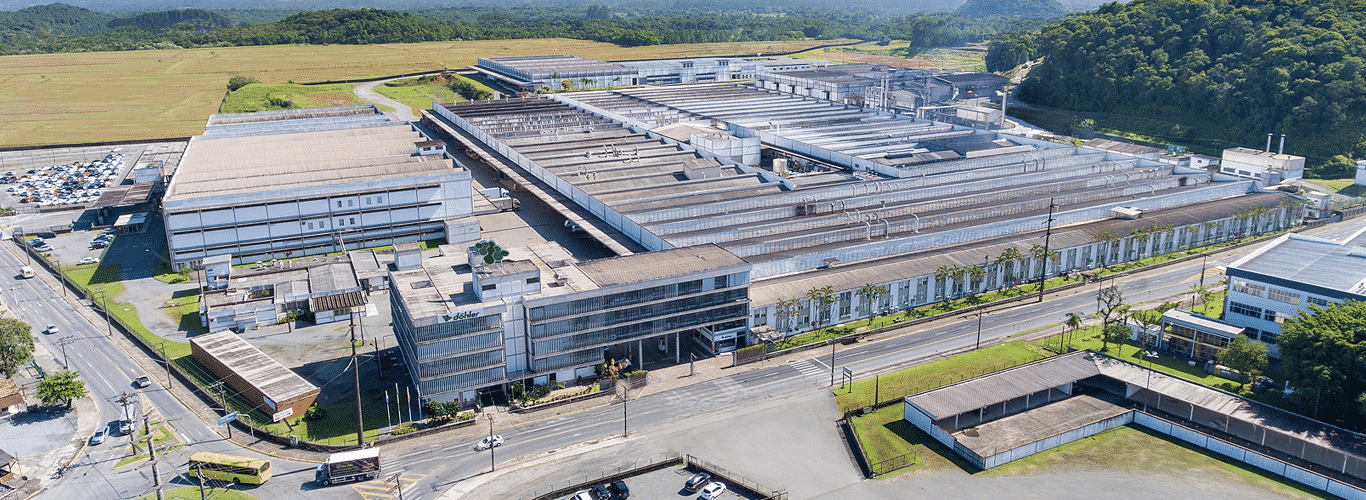
Döhler has a manufacturing area of 200,000 m² in the city of Joinville and employs around 3,000 collaborators. In addition to impressive numbers, Döhler also stands out when it comes to the environment. This is because the company is committed to maintaining sustainable practices in its manufacturing processes.
In fact, it was the first company in Joinville and the third in Santa Catarina to obtain ISO 14001, a certification awarded only to companies that demonstrate correct environmental performance.
Some examples of actions that Döhler maintains with a focus on sustainability are:
Maintenance of a wooded area of about 300,000 m²;
Reuse of thermal energy;
It has a rainwater harvesting system;
All recyclable materials are recycled;
All effluents generated by the company are treated internally and released in accordance with current legislation;
Reuse of 30% of its generated liquid effluents;
The factory's energy matrix uses fuel from renewable and clean sources.
In addition to its concern for the environment, Döhler also has social responsibility projects. Some examples of projects are:
Results participation program: Employees participate in the company's profits.
Benefits package for employees: includes various benefits such as scholarships, health plans, and training programs.
Gestation Life & Health Program: With lectures and workplace gymnastics, the program aims to prepare future mothers.
Döhler Quality of Life Program: Encourages employees to adopt a healthy routine.
Workplace gymnastics: Is aimed at employees who perform repetitive movements at work.
Young apprentice program: A program focused on training young people for the job market.
Döhler was founded in December 1881 by German immigrant Carl Döhler and his family.
In 1996, the company received the 4th Ecological Expression Award and also the Okeo-Tex certificate, a green seal that ensures Döhler's products do not harm consumer health.
The following year, Döhler received the 1st Award from the National Confederation of Industries (CNI). The company also achieved ISO 9001, a seal that represents a quality management model for the company.
Subsequently, the company underwent a market positioning change. Thus, in 2008, the company turned its focus to the domestic market. As a result, most of the company's revenue began to come from the domestic market rather than exports.
In 2009, Döhler began supporting dance groups in Joinville, which perform annually at the Joinville Dance Festival and at national festivals.
By 2013, the company received the Citizen Company Award due to a social project called Momento Döhler, which encourages the donation of food and other items to local institutions.
In 2020, Döhler began producing pieces with digital printing, which put it ahead of other Brazilian brands. It is worth noting that digital printing is a process that practically has no water consumption and effluent generation.
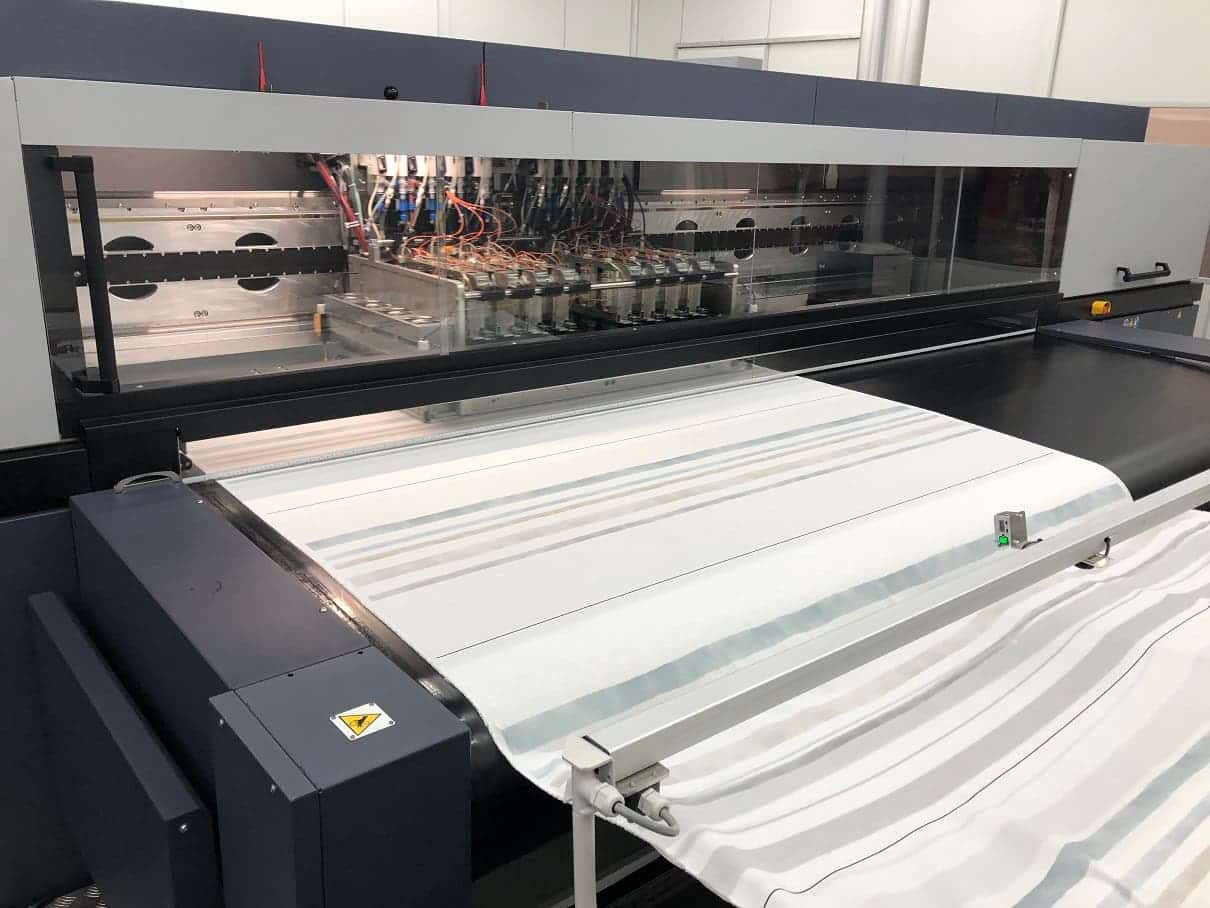
To give you an idea, the conventional method with reactive dyes consumes about 35 liters of water per kg of fabric during the printing and washing stages.
On the other hand, with digital printing, the consumption is around 0.5 liter/kg. Finally, in 2021, Döhler announced the incorporation of Comfio, its subsidiary that produces yarn.