
Company Data
CNPJ
Market Cap
Number of Shares
Listing Segment
IPO Date
Key Indicators
P/E
P/VP
DY
Tag Along
Free float
Viability Seal
We use cookies that are necessary for the site to work and, with your permission, analytics and marketing cookies to improve your experience. You can accept all of them or choose what to allow.
Company Data
CNPJ
Market Cap
Number of Shares
Listing Segment
IPO Date
Key Indicators
P/E
P/VP
DY
Tag Along
Free float
Viability Seal
See what thousands of investors think and vote on the assets you consider viable
Company Data
CNPJ
33.228.024/0001-51
Market Cap
R$609M
Number of Shares
36.41M
Listing Segment
BOLSA
IPO Date
1/7/1971
Key Indicators
P/E
7.98
P/VP
0.77
DY
15.22%
Tag Along
Unknown
Free float
14.05%
Viability Seal
Find out whether the asset is viable or a dud
Loading data
Loading...
Discover whether an asset is an opportunity or a risk through our seal.


CASH3
Méliuz S.A

PETR4
Petróleo Brasileiro S.A Petrobras

ABEV3
Ambev S.A

ITUB3
Itaú Unibanco Holding S.A
The stock is undefined relative to the fair price by the Graham formula.
R$15.96
The stock is undefined relative to the fair price by the Bazin formula.
R$15.96
WLM Industria e Comercio operates in both the automotive segment and the agribusiness sector.
In the automotive segment, the company operates through a network of twenty establishments located in several states of Brazil, such as Rio de Janeiro (WLM Equipo), São Paulo (WLM Quinta Roda), Minas Gerais (WLM Itaipu), and Pará (WLM Itaipu Norte).
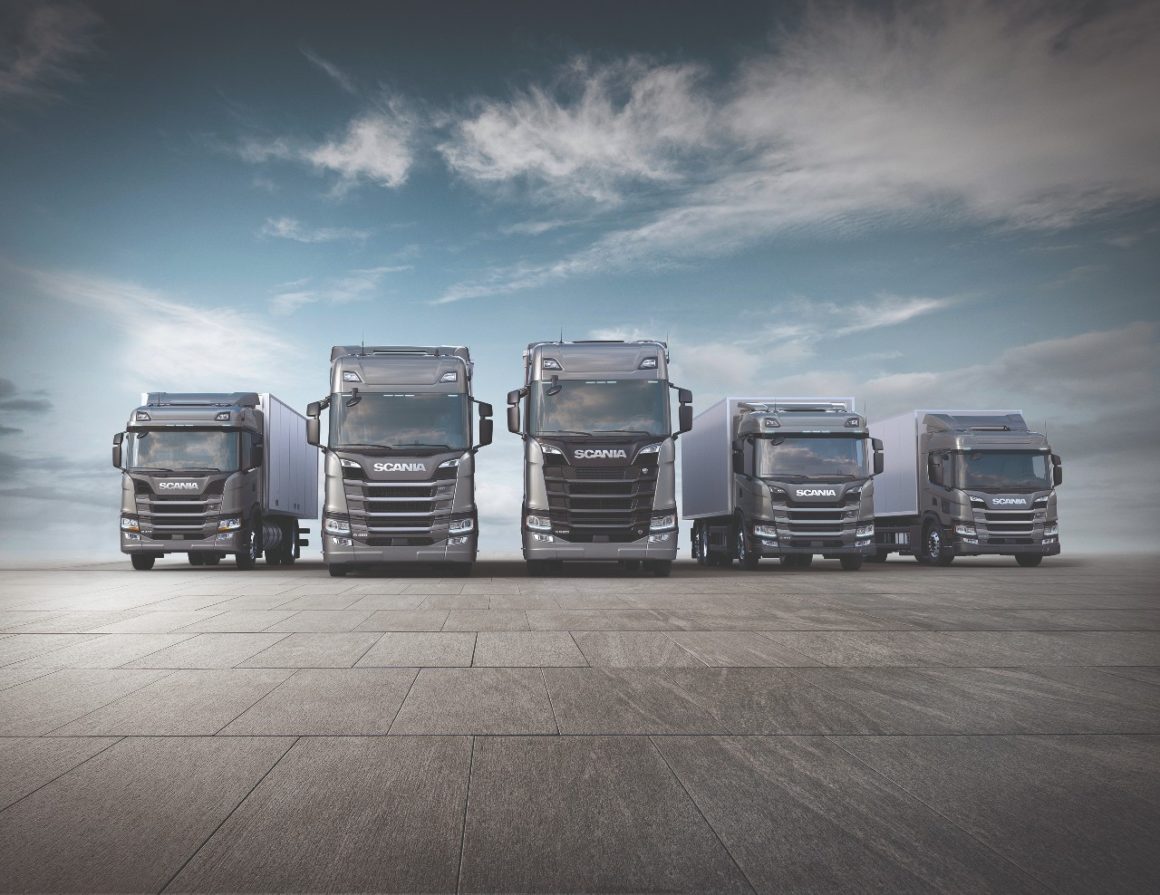
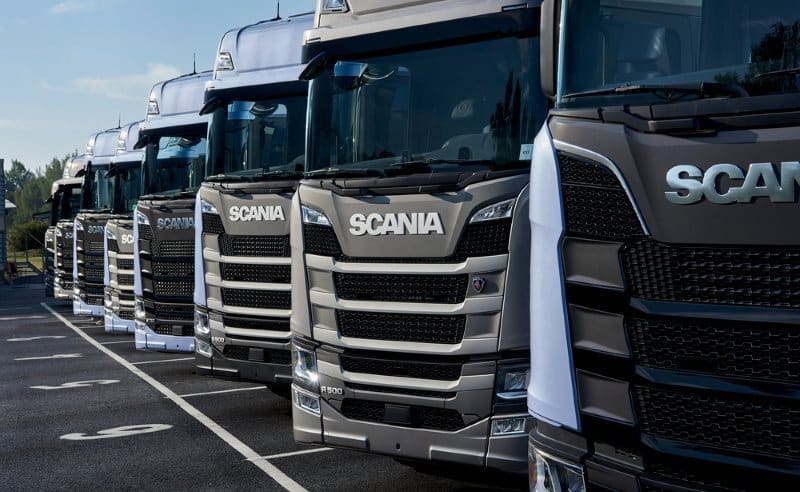
It sells products and services of the brand Scania such as heavy and extra-heavy trucks, chassis for intercity and urban buses, and also sells spare parts.
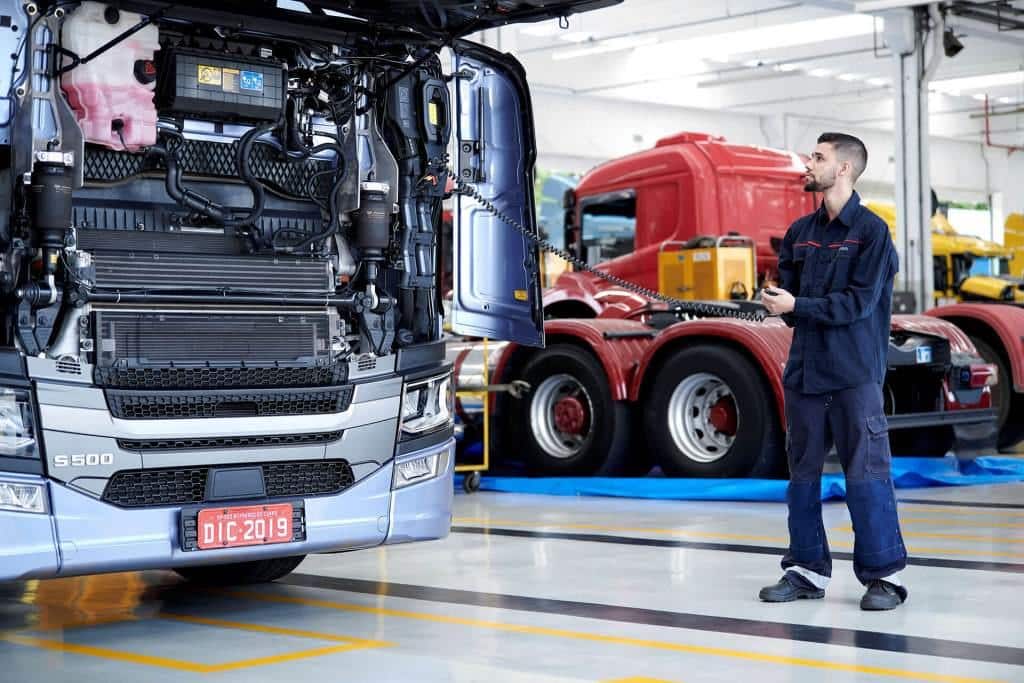
In addition, it provides corrective and preventive maintenance services and specialized technical assistance. It is worth noting that all of the company's units have D.O.S (Dealer Operating Standard) worldwide certification.
On the other hand, WLM Industria e Comercio operates in the livestock sector through its subsidiaries Fartura Agropecuária S.A and Itapura Agropecuária Ltda.
In summary, the company is involved in the production, breeding, and marketing of beef cattle and also engages in the cultivation and marketing of grains.
The history of WLM Industria e Comercio began in 1946 with the founding of Companhia Nacional de Gás Esso, which operated in the distribution of liquefied petroleum gas (LPG).
A few years later, in 1952, the company changed its name to Companhia Brasileira de Gás – Gasbras. In 1955, Companhia Supergaz Engarrafadora e Distribuidora de gás was established, headquartered in Campinas, São Paulo.
Subsequently, in 1968, Supergaz merged with Gasbras in Rio de Janeiro. As a result, Supergasbras Distribuidora de Gás Indústria e Comércio S.A was created.
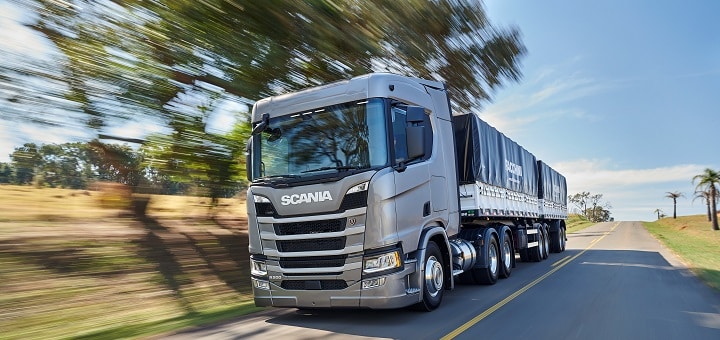
As the company had a significant fleet of heavy trucks focused on the transportation of bulk gas, over time, it began to operate in the transportation and marketing of heavy vehicles – trucks and buses of the Scania brand.
Thus, the company ended up buying Equipo, the first Scania Dealership, with the aim of maximizing the efficiency of operations with gas distribution.
Additionally, it founded Quinta Rosa and Itaipu. In 1975, the Rio de Janeiro dealership, Barra Mansa branch, of Equipo was established, and in 1976, the Minas Gerais dealership, Matias Barbosa branch, of Itaipu was founded.
Years later, in 1996, the São Paulo dealership, Porto Ferreira branch, of Quinta Roda was founded, and in 1998, the Minas Gerais dealership, Patos de Minas branch, of Itaipu was established.
In the year 2000, the company acquired dealerships in Bauru and Araçatuba and incorporated them into Quinta Roda, which increased its penetration in the interior of São Paulo.
In 2004, the company sold its assets and ceased operations in the gas segment. The following year, the company changed its corporate name to WLM Indústria e Comércio S.A., focusing on the automotive and agribusiness segments.
In 2006, the company acquired the Pará dealership and founded Itaipu Norte, marking the beginning of WLM's strategic participation.
In 2013, the Amapá dealership, Macapá branch, of Itaipu Norte was founded, and in 2014, the Minas Gerais dealership, Perdões branch, of Itaipu was established.
In 2017, the company changed its name to WLM Participações e Comércio de Máquinas e Veículos S.A. The purpose of the name change was to align the company with its main activity, which is the marketing of vehicles and parts of the Scania brand.
As a result, the company's shares began to be traded under the codes WLMM3 and WLMM4. Finally, in 2019, the company underwent a corporate reorganization.
Thus, in an Extraordinary General Assembly on July 1, 2019, it consolidated the incorporation of the controlled limited companies in the automotive segment: Equipo Máquinas e Veículos Ltda and Quinta Roda Máquinas e Veículos Ltda. The purpose of the incorporation was:
Synergy: With the incorporation, the synergy between the businesses provides better utilization and efficiency of the entire administrative structure of WLM's headquarters.
Tax benefits: Reduction of the tax burden, resulting from the aggregation of rights, credits, and tax-related debts.
Strategic advantages: Reduction of WLM's corporate participation activities, with the main activity becoming the automotive sector, which allowed for a beneficial aggregation of WLM's revenues and expenses.
Costs: Finally, the incorporation was carried out at a low cost and processed without increasing WLM's share capital.

