In summary, Trisul presents itself in the civil construction market as a well-established company in the production of mid to high-end properties. With the pillar of being strong and consolidated, the company remains competitive even in a sector with extremely high competition.
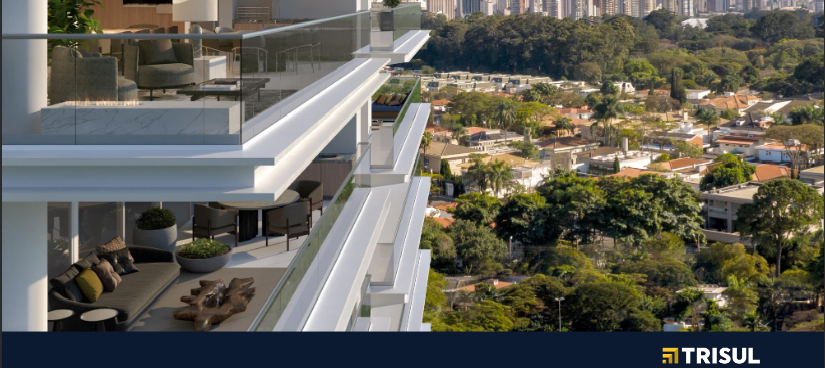
In summary, despite being just over 30 years old, the company showcases a high level of projects and clients, exposing its mission to "integrate residents and the city, connecting them to the physical and material reality through the delivery of a pleasant and inviting environment."
General numbers
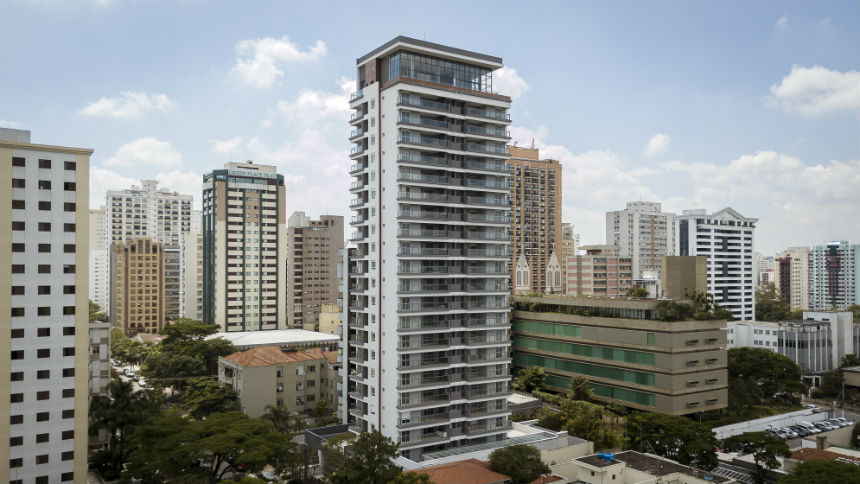
However, the company's numbers are impressive. There are over 200 buildings and 30,000 units delivered, 20,000 clients served, and 25,000 units launched.
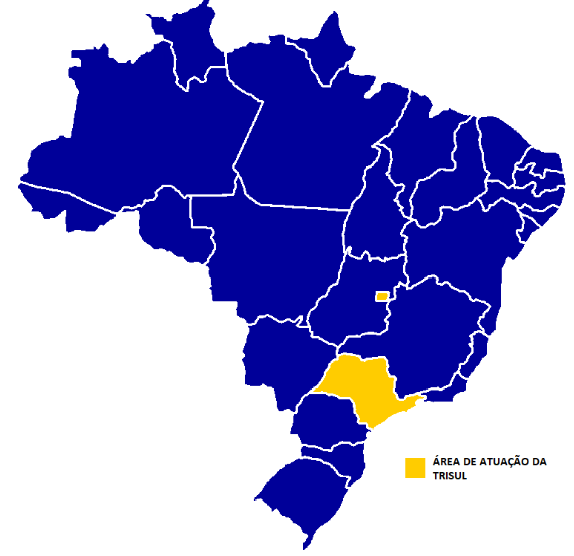
The company's developments are basically divided into two locations: the Federal District and São Paulo, maintaining a focus on coastal areas and areas of significant growth/development.
Operations
The company's operations are carried out through 3 classic stages of the civil construction segment, two of which we can mention:
Incorporation
Construction
Marketing
Incorporation
The incorporation process is nothing more than the foundation of all civil construction. Both in the sector and in the company, incorporation plays an extremely relevant role, and at Trisul, it is no different.

First of all, a construction needs a plot of land, a location where the real estate development will take place. For the project to be successful, the company sends a specialized team to determine two major topics, among them:
In this analysis, the following points are taken into consideration:
Construction
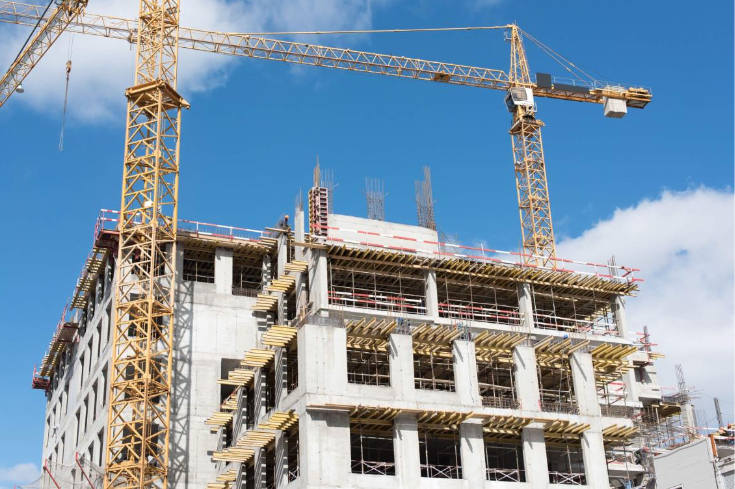
After incorporation, the construction process begins. At this stage, the company starts the building phase. The company's differential in this regard is its concern with:
Internal comfort
Advanced engineering
Aesthetics
The company's biggest highlight, focusing on São Paulo, is the appreciation of the investment over time.
Marketing
After incorporation and construction, Trisul operates in the marketing of its properties. With a focus on the DF and São Paulo, the company's properties are widely marketed in the mid to high-end segment.
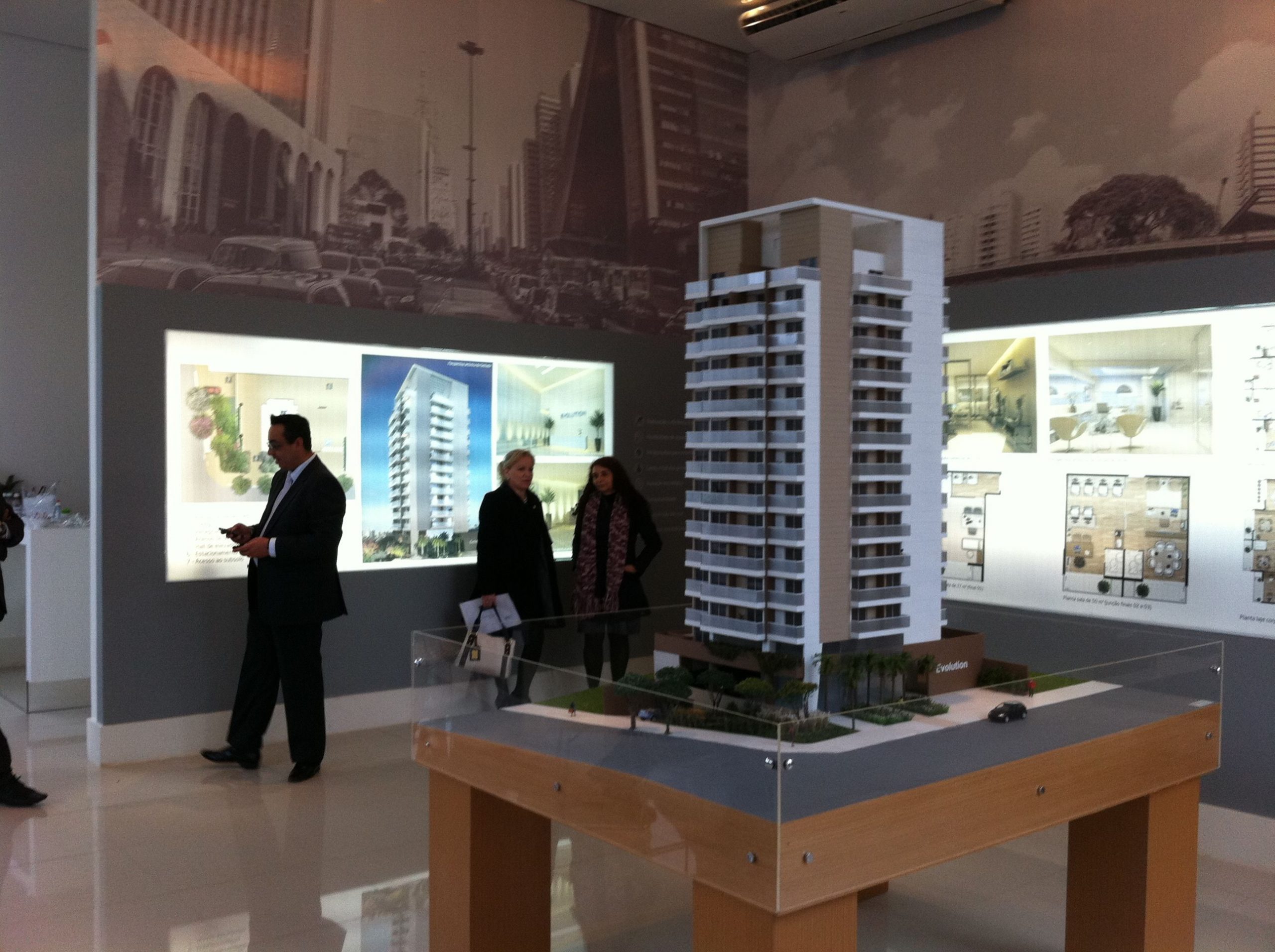
Trisul's service centers are recognized for their excellence and individuality in service. The company has a property direction system according to each potential client, thus ensuring accuracy in choosing the ideal property.
In summary, in terms of sales, Trisul is a reference in São Paulo, being one of the largest in the capital city.
The company's history is directly linked to the vision of entrepreneur Jorge Cury. It all started when, at his father's request, Jorge Cury and his brother graduated in civil engineering and became engineers.
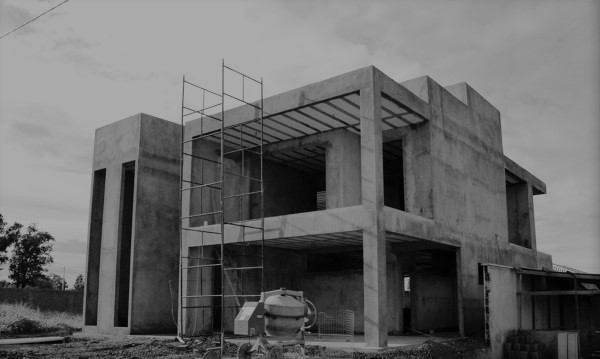
After finishing university, Jorge's father fell ill, and in this scenario, the brothers noticed the need to apply their knowledge in practice and start a construction company. After studying bank financing, in 1980 they managed to acquire a plot of land from a cook who worked for the family, in the eastern zone of São Paulo.
After acquiring the land, they began to build two townhouses on the site, starting Tricury Construtora. Seeing the profit from the first venture, excitement took over, and the two townhouses multiplied. The process of construction, financing, and marketing of properties began to take shape at the turn of the decade in 1990.
The brothers founded a DTVM (Distributor of Securities and Financial Assets) that would later become Banco Tricury, but they always remained active in the real estate sector with the aim of ensuring income from the rents received and obtaining protection from other developers and banks.
With the bank, the Cury family created a natural hedge (financial protection) against possible changes in the basic interest rate. With the growth of the bank's operations, it recorded profits from loans, and in its decline, the construction company received more demand.
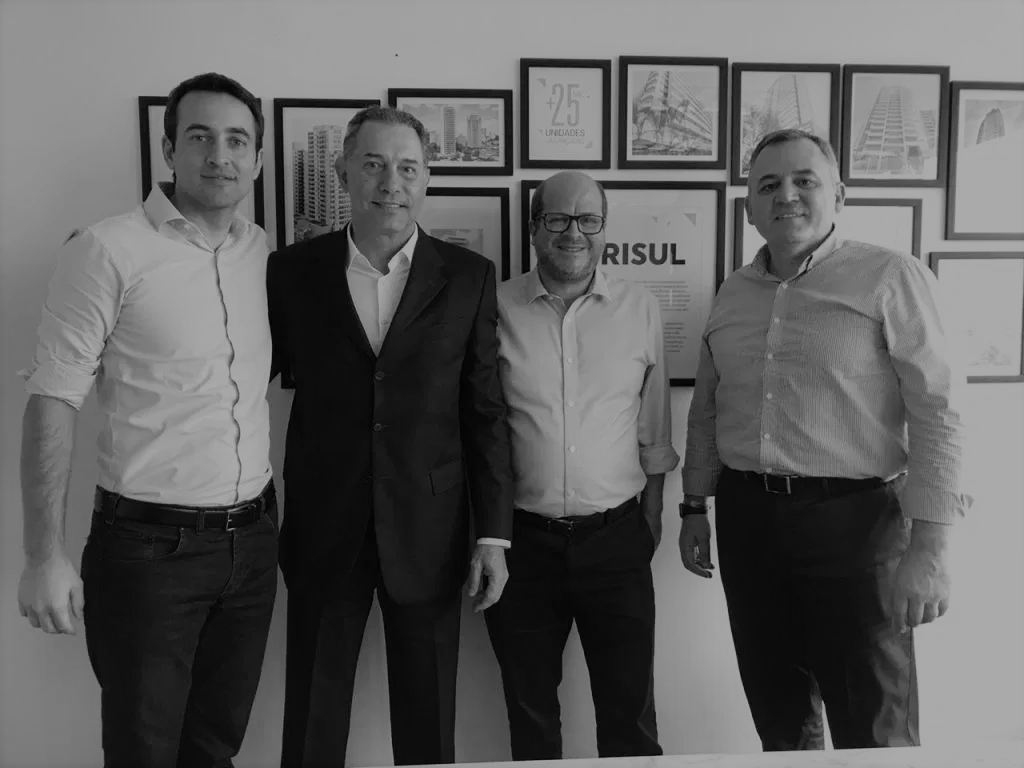
Shortly after, in 2007, a window of opportunity opened for construction companies. Seeing this, Tricury merged with the developer Incosul to launch a new company, Trisul S.A. In this new journey, the management ended up being controlled by the Tricury core, and the administrative council by the managers of Incosul.
With the merger of the companies, Trisul ranked third in the ranking of the largest in the segment that year. In summary, right at the beginning, the resulting merger presented enormous numbers of 112 developments launched and over 1 million square meters constructed.
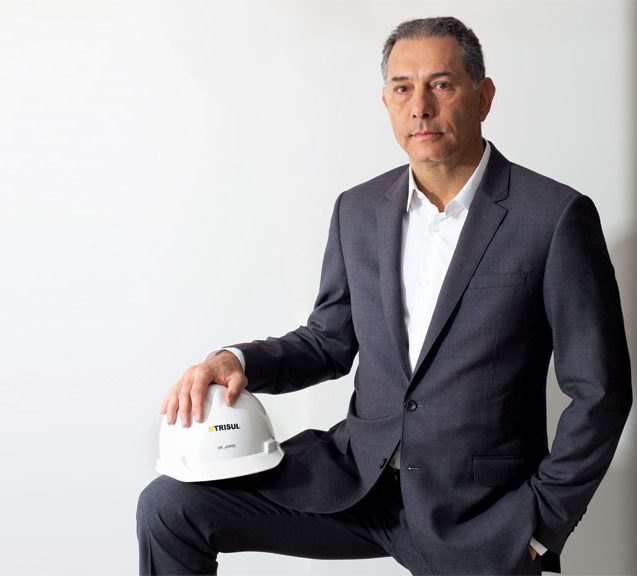
In the establishment of Trisul, Jorge Cury became CEO, while Marco Mattar from Incosul took over as vice president. The presidency of the council went to Michel Saad, director of Incosul. Until 2011, the publicly traded company leveraged and diversified as much as possible to take advantage of market growth, but soon its governance realized the risks of leveraging and began to liquidate its debts, anticipating the real estate crisis of 2014.
In summary, the company began to protect itself, although they did not escape having to make 200 layoffs during the storm. At the end of the crisis, Trisul was one of the first construction companies to start a recovery, benefiting from its low indebtedness and taking advantage of the land purchased before it.
Finally, the company united to provide the process of selling properties and ensure its own structure and philosophy from choosing the land to selling to the future resident. In the following years, the company began to establish itself with a focus on the capital, becoming one of the largest in the capital.
In 2015, the company began to occupy Brasília, with high-end developments. In addition, the company continues its journey currently at the forefront of the real estate sector, becoming known as one of the best and most prominent in the Brazilian real estate landscape.