Natura is a Brazilian multinational that works with cosmetics, beauty and hygiene products. Thus, the company has products in various categories, such as: face, hair, bath, and perfumes. Natura's focus is on using plant-based products derived from Brazilian biodiversity, harvested through partnerships with local communities.
It is worth noting that sustainability and innovation are two prominent pillars in Natura's operations. For example, in 2016, it invested 50 million euros in the launch of 255 products and achieved an innovation index of 54.3%.
Natura is present not only in Brazil but also in Argentina, Bolivia, Chile, Peru, the USA, Colombia, and France. The company has factories in Cajamar (São Paulo state), Benevides (Pará state), and research and technology centers in São Paulo, Manaus, and New York (USA).
Natura owns Aesop, an Australian cosmetics manufacturer that has stores on various continents, including Oceania, Asia, North America, and Europe. Additionally, since 2017, Natura has also owned The Body Shop, which was previously part of the L’Oréal group. In short, the company's operations occur through the following departments:
1- Commercial: This is the sales team department that promotes the company to advisors and clients.
2- Administrative: In addition to ensuring the development and quality of Natura's products and services, this department also intervenes in areas such as finance, research and development, innovation, and digital technology.
3- Operational: Finally, the operational department is related to the manufacturing and distribution processes of Natura's products.
Environmental commitment
Since its inception, the company has been committed to sustainability and aims to create a positive environmental, social, and economic impact. In fact, Natura was the first company on the stock exchange to receive B Corp Certification in 2014, becoming the largest company in the world with this certification.
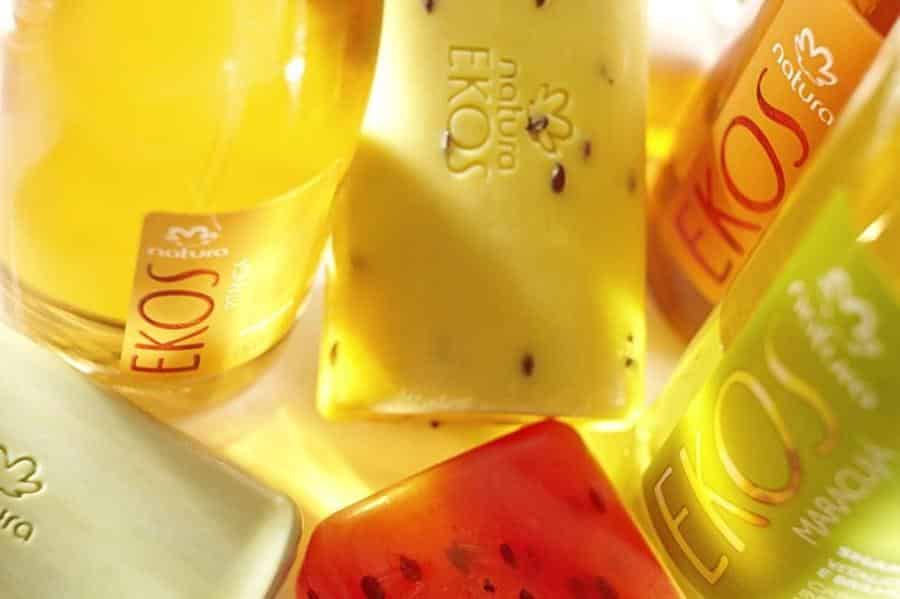
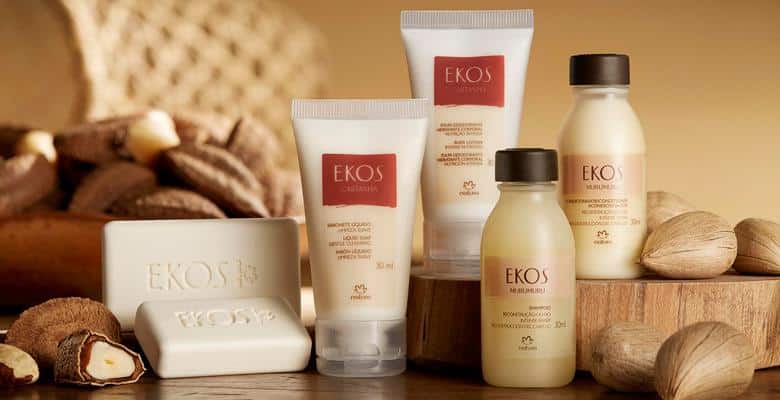
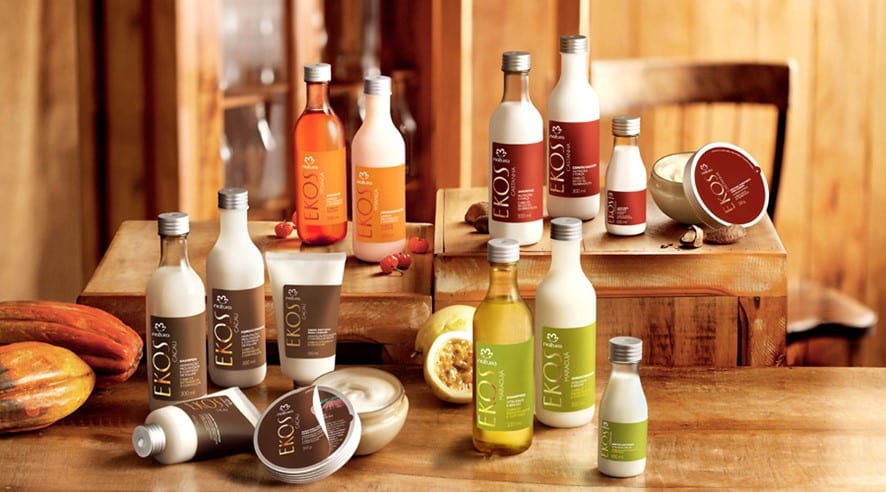
Throughout its history, it is possible to identify the actions taken by the company in favor of sustainability. For example, in 1983, Natura was the first brand in Brazil to propose product refills. In the year 2000, Natura launched the EKOS line, which uses biodiversity assets in its formulation. In 2006, the company became cruelty-free by banning all animal testing in its production processes.
Moreover, in 2007, Natura created the Carbon Neutral program, aimed at monitoring and reducing greenhouse gas emissions in its production chain. Subsequently, in 2011, it launched the Amazon Program to allocate investments for the preservation of the region, and in 2013, Natura launched the SOU line with 70% less plastic. In short, Natura's environmental commitments are:
In addition to environmental commitments, Natura also has commitments to society. Thus, Natura's goal is not only to offer products for people to improve their relationship with themselves but also to develop projects that can contribute to society.
One of the ways Natura found to do this was through the program Crer para Ver, a line of non-cosmetic products launched in 1995, whose profits are fully reverted to educational improvement actions. Since the program was created, more than 6 million euros have been raised, and 1.2 million students have been helped. Some other initiatives include:
Natura musical: It is an initiative to promote and value Brazilian musical culture. In addition to sponsoring musical projects, Natura Musical also has the Casa Natura Musical and supports music festivals.
Instituto Natura: Founded in 2010, Instituto Natura carries out initiatives focused on improving public education.
Movimento Natura: Through Movimento Natura, it is possible to publicize initiatives or collaborate with initiatives that are already being developed in Brazil.
Natura's history began in 1969 when Antônio Luiz Seabra founded Indústria e Comércio de Cosméticos Berjeaut, which a few months later became known as Natura. In the first Natura store, opened in 1970, Luiz Seabra himself attended to customers. This type of business model continued until 1974 when Seabra began to develop the direct selling model.
Thus, he closed the store and dedicated himself to forming a team of consultants. Seabra was right, and Natura became a major force in door-to-door sales using a product catalog. Initially, Natura was focused solely on the female audience. However, in 1979, it launched the SR N line aimed at the male audience, which was a significant novelty at the time.

A decade after its founding, Natura already had 200 employees and over 2,000 consultants. With the company's growth, it was time to expand internationally. Thus, Natura's first foray abroad was in Chile in 1982. Subsequently, it expanded internationally to Argentina and Peru in 1992.
Over the years, Natura has launched several products that remain today, such as Chronos (1986), Mamãe e Bebê (1993), and Ekos (2000). In 2004, the company went public on the São Paulo Stock Exchange, and in 2006, Natura opened its first store in Paris, France.
In its growth, Natura acquired other companies. One example is the acquisition of The Body Shop, which was previously part of the L’Oréal group. In 2020, it purchased Avon and became the fourth-largest group in the world in the beauty segment.