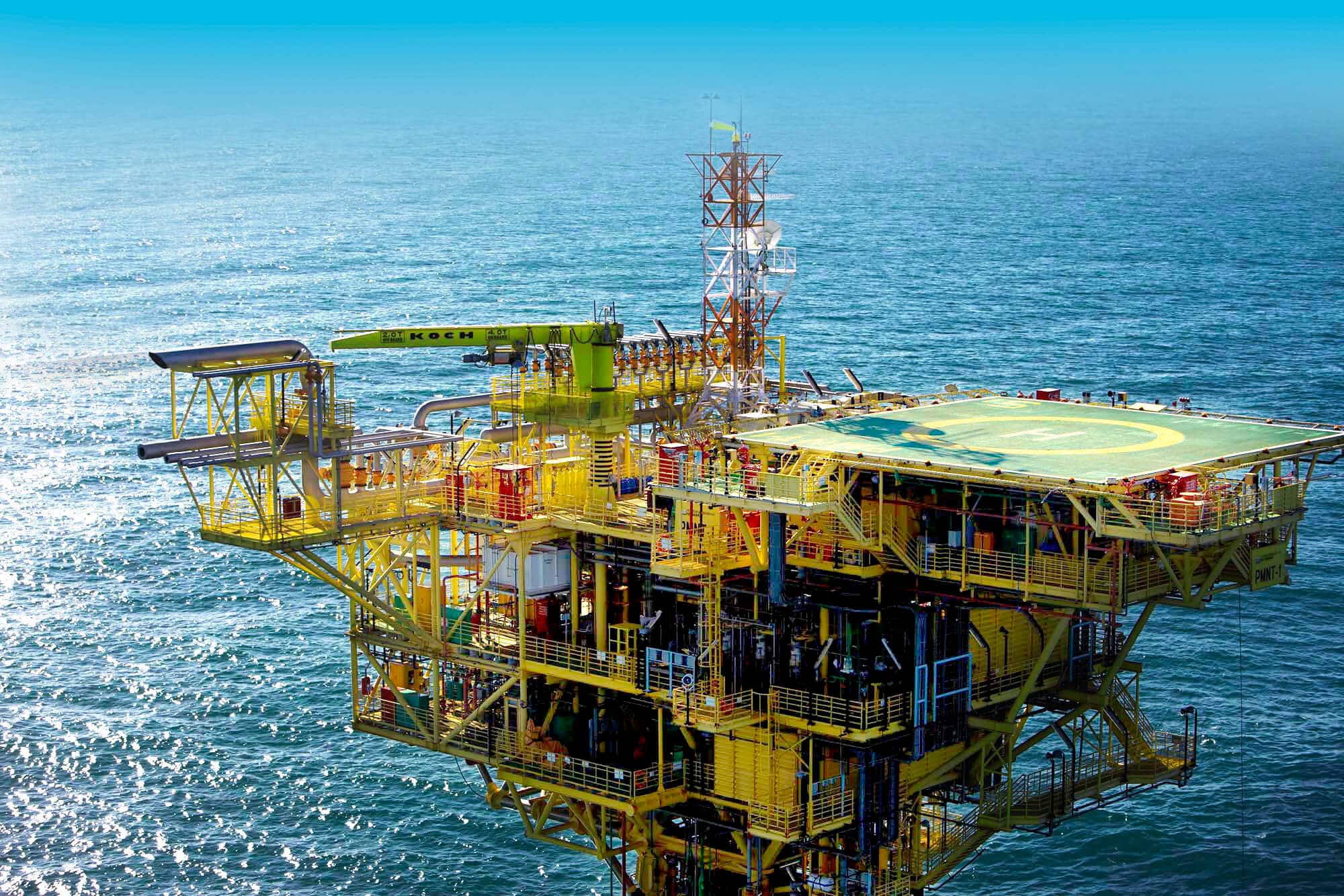
Enauta is a publicly traded company, controlled by the Queiroz Galvão Group, that operates in oil, oil and natural gas exploration. Its main audience includes companies in the industrial and transportation sectors, as well as industries.
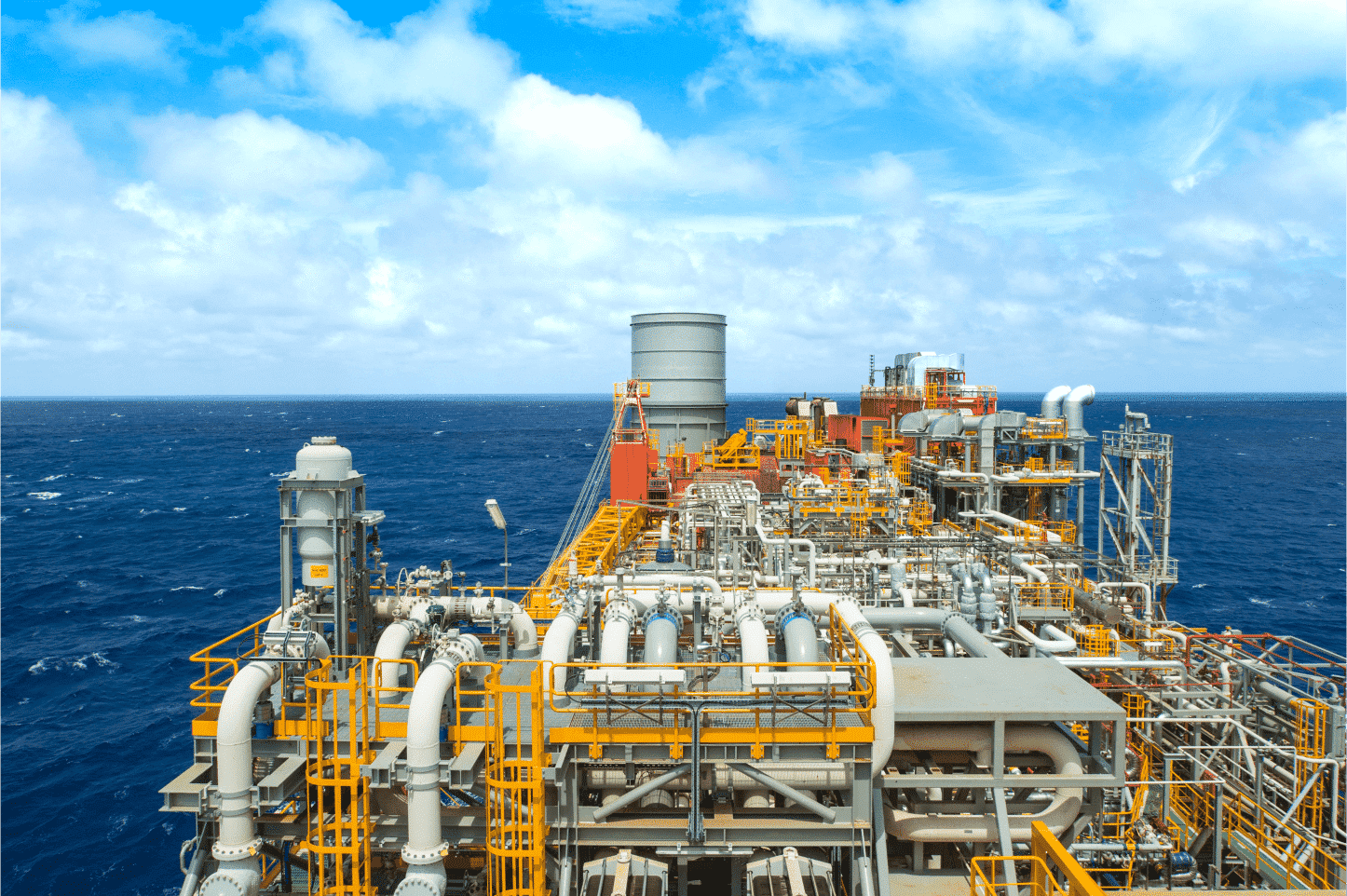
For production, the company holds blocks in basins along the Brazilian coast, such as in the Santos Basin, Atlanta Field, Sergipe-Alagoas Basin, and Camamu-Almada Basin. Additionally, as part of operations in other companies, Enauta also holds stakes in more than 13 oil extraction blocks.
Oil production in the initial stage occurs in two extraction blocks, one in the Manati field, on the coast of Bahia, and the other on the coast of Rio de Janeiro, in the Atlanta field. In the case of the Manati field, discovered in 2000, production only began in 2007. Currently, the field is classified as one of the largest associated natural gas producers in Brazil.
Enauta's history began in 1998, when the company was still known as Queiroz Galvão Exploration and Production (QGEP). Currently, the company is controlled by Enauta Energia, formerly Queiroz Galvão Exploration and Production S.A. As soon as it was founded, the company began developing its Production and Exploration portfolio.

The first field used for initial oil exploration production was discovered in 2000, named Manati Field. The region accounts for about 40% of the gas reserves produced in Bahia. Although discovered in 2000, gas production only started in 2010.
Also in 2010, Queiroz Galvão Exploration and Production (QGEP) was founded, enabling the opening of activities that had previously been carried out by Queiroz Galvão Oil and Gas (QGOG). The company's IPO took place in 2011, raising R$ 1.5 billion.
In 2013, the company acquired eight exploratory blocks after actively participating in the 11th ANP Bidding Round. Later, in 2019, the company changed its corporate name to what we know today, becoming Enauta.
Also in 2019, Enauta launched the Mar Brasil series – a sustainable initiative about the Brazilian coast – in addition to acquiring 3 new blocks in the production process, in the Sergipe-Alagoas Basin. Recently, in 2020, the Atlanta Field reached 10 million barrels of oil produced.