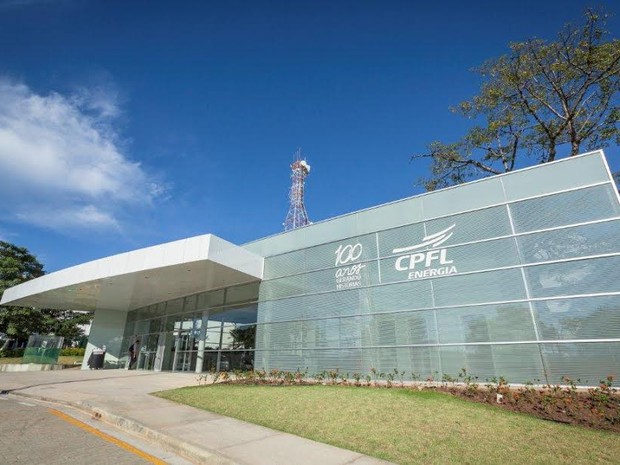
CPFL Energia S/A is a holding company in the electric power sector, operating in the distribution, generation and commercialization of energy through its subsidiaries. With more than a century of history, the company serves 9.1 million customers and is a benchmark in renewable energy sources in Brazil.
CPFL's portfolio is highly diversified and includes small and large hydroelectric plants, as well as wind farms, biomass plants, fuel-oil-fired thermal plants and a solar plant in the state of São Paulo.
The company operates in the states of São Paulo, Rio Grande do Sul, Paraná and Minas Gerais, where it provides the following services:
In the distribution, CPFL Energia operates through 5 distributors, which collectively serve 679 municipalities and distribute electricity to more than 9.5 million customers in the states of Minas Gerais, São Paulo, Rio Grande do Sul and Paraná.
Meanwhile, conventional generation is carried out through the subsidiary CPFL Geração, whose installed capacity was 2,198 MW as of 2018. Renewable energy generation — which includes energy from renewable sources, such as wind, thermal, biomass and solar — is carried out by CPFL Renováveis.
Lastly, the commercialization of electricity is carried out through the subsidiary CPFL Brasil, which sells electricity throughout the country.
In addition, CPFL Energia also has the following figures:
14% share of the national distribution market, the second-largest in the country.
696 municipalities served within the concession area;
More than 9.9 million customers in energy distribution;
Brazil's third-largest private energy generator and leader in renewable generation;
Operations in 4 states in distribution: São Paulo, Rio Grande do Sul, Paraná and Minas Gerais.
When CPFL Energia — Companhia Paulista de Força e Luz — was founded in 1912, the use of electricity was already a necessity. This was because power generation and distribution ventures were beginning to grow and multiply, especially in São Paulo, Rio de Janeiro and Minas Gerais.
Through the organization of local merchants and farmers, several cities in the interior of São Paulo already had electricity, produced mostly by hydroelectric plants. These small power companies then began to consolidate across large areas of the national territory. This was how CPFL emerged in 1912.
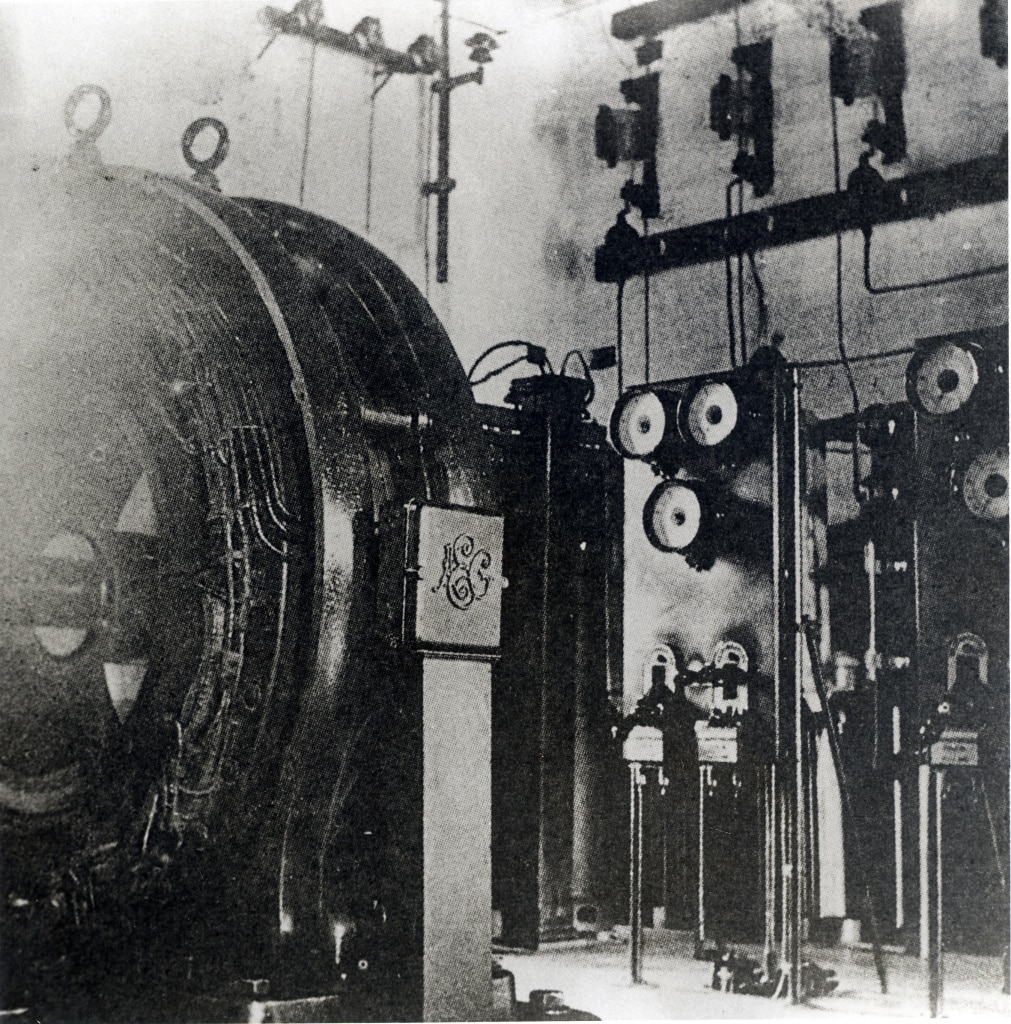
Thus, right at the beginning of the 20th century, through the initiative of engineers Manfredo Antônio da Costa and José Balbino de Siqueira, a region in the interior of the state of São Paulo began to be explored for electricity production.
Formation of the company
During the company's formation process, it incorporated Empresa Força e Luz de Botucatu, as well as the companies Força e Luz de São Manoel, Companhia Elétrica do Oeste de São Paulo and Empresa Força Luz Agudos Pederneiras, which at the time were responsible for supplying energy to 13 municipalities in the central region of SP.
In 1919, CPFL acquired control of Empresa de Eletricidade de Bauru, which, in addition to the municipality of Bauru, also served nearby regions. In 1927, control of the company was transferred to the American & Foreign Power Company (Amforp), a company that was part of the US-based Electric Bond Corporation group.
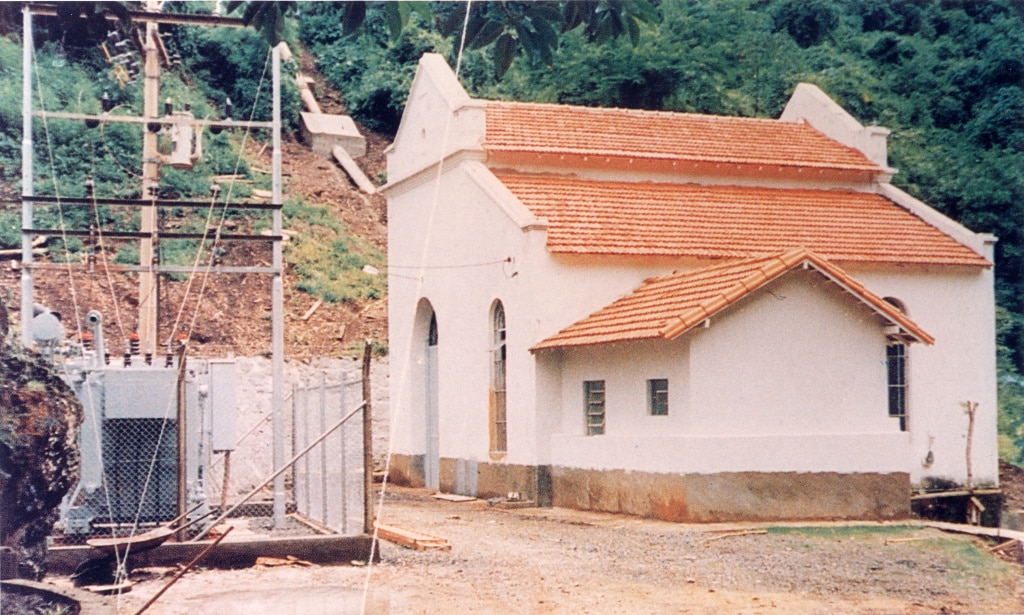
Later, in 1947, the federal government authorized CPFL to incorporate 22 Amforp subsidiaries in São Paulo. The process was completed in 1950, and the company became responsible for supplying energy to 155 municipalities, totaling more than 300 urban centers, such as Campinas, Piracicaba, Ribeirão Preto, Bauru and Araraquara.
In 1964, CPFL and the other Amforp group concessionaires became part of Eletrobrás's portfolio of subsidiaries, a federal holding company. In 1975, following an agreement between Eletrobrás and the government of São Paulo, control of the company was transferred to Central Elétrica de São Paulo – Cesp, which maintained CPFL's separate legal identity and profile as an electricity distribution company.
New directions in the market
In 1986, CPFL became the first electric power company to enter into contracts to purchase biomass energy derived from sugarcane. In 1997, CPFL was privatized by the government of São Paulo and became part of the consortium formed by VBC Energia, the Pension Fund of Banco do Brasil Employees and Bonaire Participações.
Years later, in 2002, CPFL created the CPFL Energia holding company, bringing together the assets of three distribution companies, two in São Paulo and one in Rio Grande do Sul. In total, the company came to have 19 hydroelectric plants, one thermal plant, and the following generating companies: Serra da Mesa Energia, Barra Grande Energia, Complexo Energético Rio das Antas (Ceran), Foz do Chapecó Energia and Campos Novos Energia.
In 2004, the company conducted its first public offering of shares (IPO), both on the São Paulo stock exchange and the New York Stock Exchange. In 2009, Grupo Camargo Corrêa assumed control of CPFL Energia. The following year, the company began operating its first biomass-fired thermal plant, installed in São Paulo.
Soon thereafter, in 2011, CPFL Energias Renováveis was established, bringing together assets and projects involving Small Hydroelectric Plants (PCH), thermal plants powered by sugarcane biomass, and wind and solar plants. Finally, in 2018, the company created CPFL Soluções.


 7
7


