Cambuci is a Brazilian multinational company, meaning it operates in several countries but is headquartered in Brazil. In general, the multinational has two brands of sports materials, Penalty and Stadium, where the company specializes in the manufacture of clothing, accessories, and sports footwear.

The company provides products for various sports segments, being the only South American brand internationally approved by sports organizations to distribute its products for football and futsal (FIFA), volleyball (FIVB), handball (IHF), and basketball (FIBA).
Currently, Cambuci has factories in São Roque, a municipality in São Paulo, and exports to 14 countries, such as Argentina, Chile, Japan, and Spain. In fact, in Spain, the company has set up an office to facilitate access to other European markets.
Among the most marketed products through the two sports material brands, Penalty and Stadium, are: balls, footwear, socks, and gloves. Most of the sports products manufactured by the company are constantly tested, including by professional athletes.
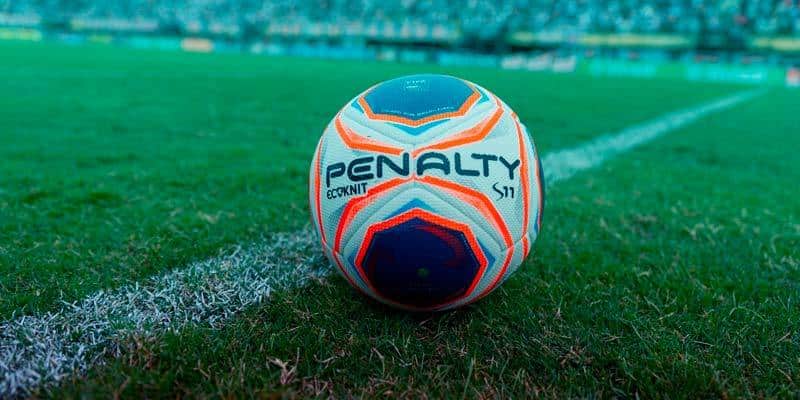
Through this, the company seeks approval from the main sports federations and confederations in the world, so that it can market its products with greater credibility.
Cambuci has both common and preferred shares, being listed on the Stock Exchange under the code CAMB3.
The history of Cambuci began in 1945, when four brothers – Victório, Eduardo, Mario, and Ernesto Estefano – decided to found a company together in the Cambuci neighborhood of São Paulo, called Malharia Cambuci S.A. Initially, the knitting mill specialized in the production of men's and women's clothing articles.
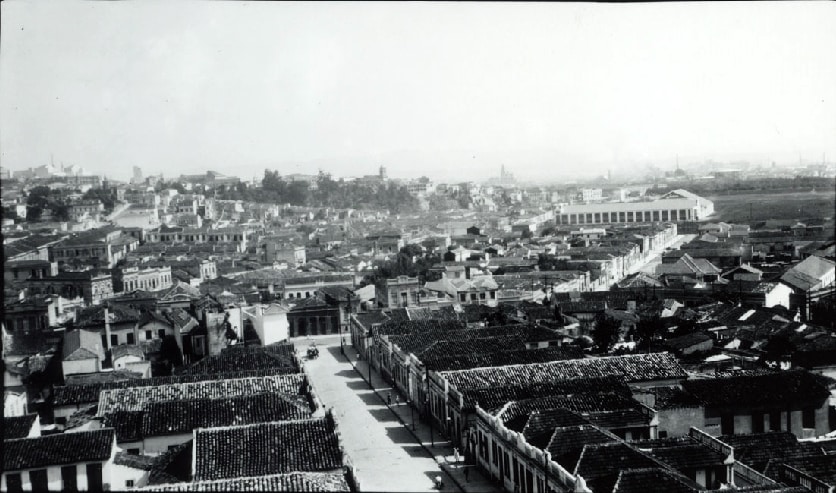
Rua Espírita
Later, in 1968, Eduardo's children decided to change the direction of the company and began to bet on the sports market. Thus, that year, Eduardo, Ricardo, and Roberto Estefano took over the company.
The first brand developed by Cambuci was Penalty, in 1970. Penalty was created with the aim of developing products for playing football. The brand's success was so great that, in a short time, the company moved the brand's headquarters, which was in Cambuci, to a larger space located in the interior of São Paulo, in São Roque.
Still in the 70s, Cambuci partnered with the São Paulo Futebol Clube, which began using Penalty brand products and contributed to the company's growth. Even before the 70s came to an end, the company partnered with the Confederação Brasileira de Futebol de Salão (CBFS), in 1979, the same year the entity was created.
With the start of the 80s, Cambuci established itself as the largest manufacturer of balls in Brazil. During the same period, the company became a publicly traded company and acquired the manufacturing rights for footwear produced by the Asics brand and rackets and tennis balls from Wilson and Donnay. This allowed the company to achieve manufacturing standards equal to international standards.
In the 90s, Penalty consolidated itself in South America as one of the official brands of the main confederations and federations of various sports modalities. As a sponsor of São Paulo Futebol Clube, the brand outfitted the team in winning the Copa Libertadores and the Intercontinental Cup, in 1992 and 1993.
In addition to São Paulo Futebol Clube, other teams also began to wear the Penalty brand, such as the Grêmio de Football Portoalegrense and the Seleção Brasileira de Futsal. The teams brought global recognition to Cambuci in the modality, increasing the company's prestige compared to other brands.
Still in the 90s, the consumption of sports materials saw an exponential increase, linked to the opening of imports in Brazil. As a result, the level of demand grew significantly, as various international brands began to enter the country.
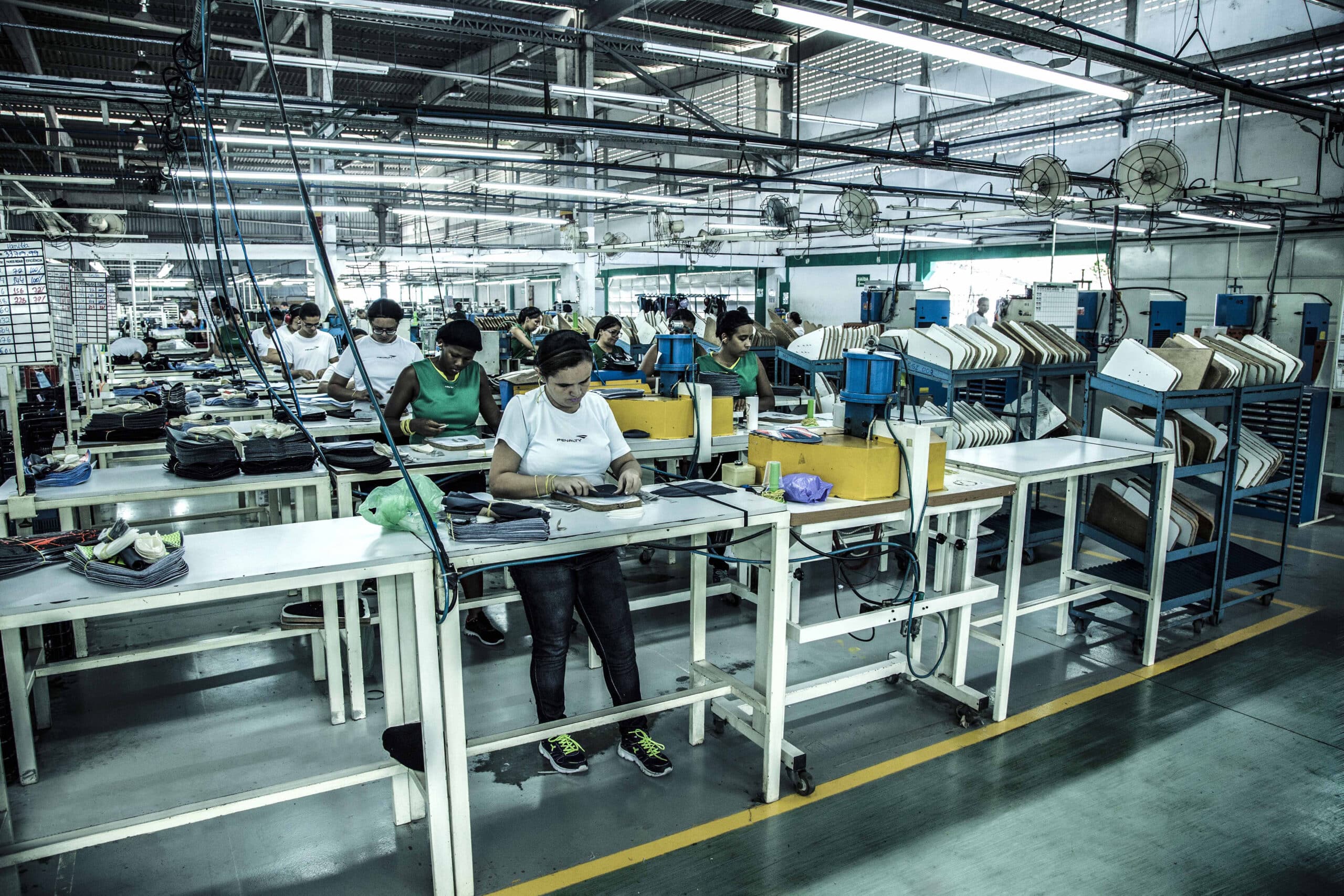
Cambuci, in turn, began to intensify its market presence and opened factories in Bahia and Paraíba, in addition to expanding its product portfolio. Thus, the company developed new technologies for manufacturing its products, such as balls, footwear, sports equipment, and accessories.
The high investment by Cambuci in the manufacturing and maintenance of the Penalty brand put the company face to face with international giants. Furthermore, its strong presence in Brazilian territory contributes to the brand's expansion to other continents, such as America, Asia, Africa, and Europe.