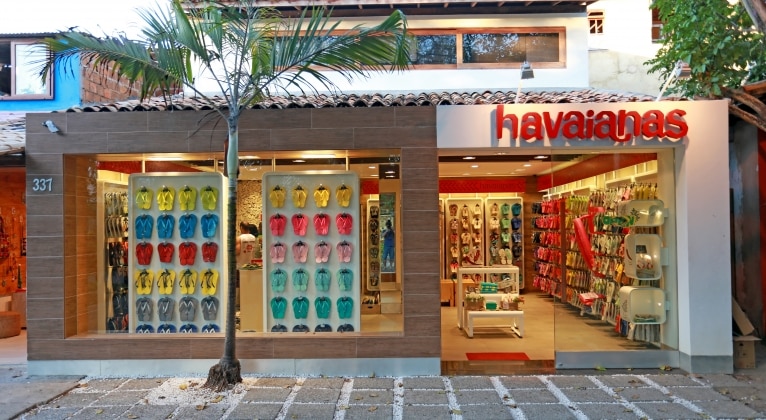
Alpargatas is a footwear manufacturer. Its main focus is in the segment of sandals and flip-flops and, to that end, it has 4 major brands that are widely recognized and present in the national imagination. Thus, it manages to operate well positioned in several countries.
The Company has certain competitive advantages that strengthen it in the footwear market:
Iconic brands: widely recognized and used;
Intense marketing: both in traditional and digital channels;
Products with few substitutes, desired and with inelastic demand;
Innovation and digital culture: favors the implementation of the omnichannel strategy.

Company's business
In general, the company operates with the brands:
Havaianas;
Osklen;
Mizuno;
Dupé;
Meggashop Outlet.
Each with its specificities, and to better understand the company and its products, we need to observe them separately.
Havaianas
Globally recognized, the Havaianas brand is responsible for producing different types of footwear and accessories. The brand has specific products for men, women, and kids, including:
Flip-flops;
Sandals;
Summer clothing;
Bags;
Socks;
Keychains;
Towels;
Sarongs.
In addition, the company has included new sandals with closed tops for colder climates, sandals with ankle straps, and even sandals with real diamonds for fashion shows.
The brand produces various models, even with prints from movies, TV shows, football teams, among others. Thus, it has innovative lines such as:
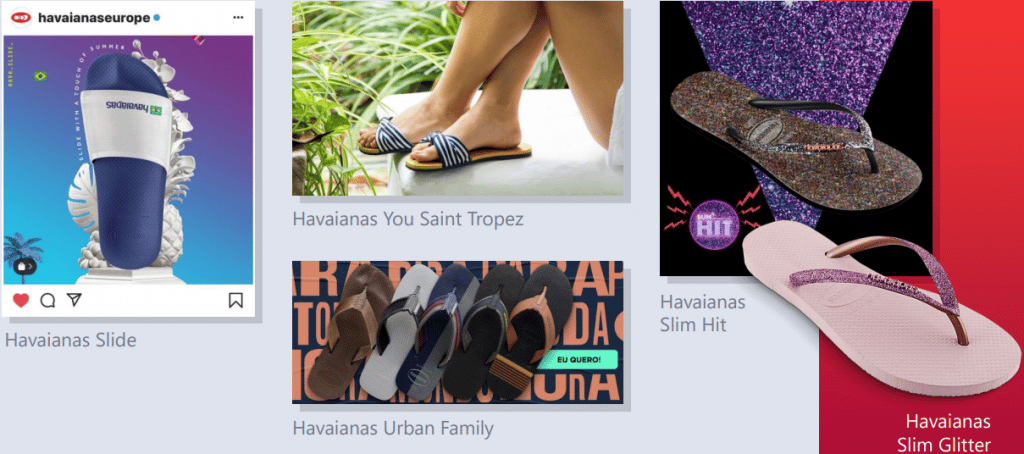
The centennial Havaianas has an intense strategy to attract more and more customers and retain them. Basically, we are talking about customization, which allows the consumer to choose the straps, add unique pins, and thus provide a differentiated user experience.
Its solidity and recognition are mainly a consequence of the extensive marketing carried out, both in traditional channels (TV, magazines, radio, and on the streets) and in the digital space, where it has a strong presence on YouTube, Spotify, Instagram, Facebook, among other social networks and apps.
In this sense, the company has a culture of forming partnerships with celebrities who can increase the visibility of its products and change the positioning of the product and brand in the minds of customers.

Osklen
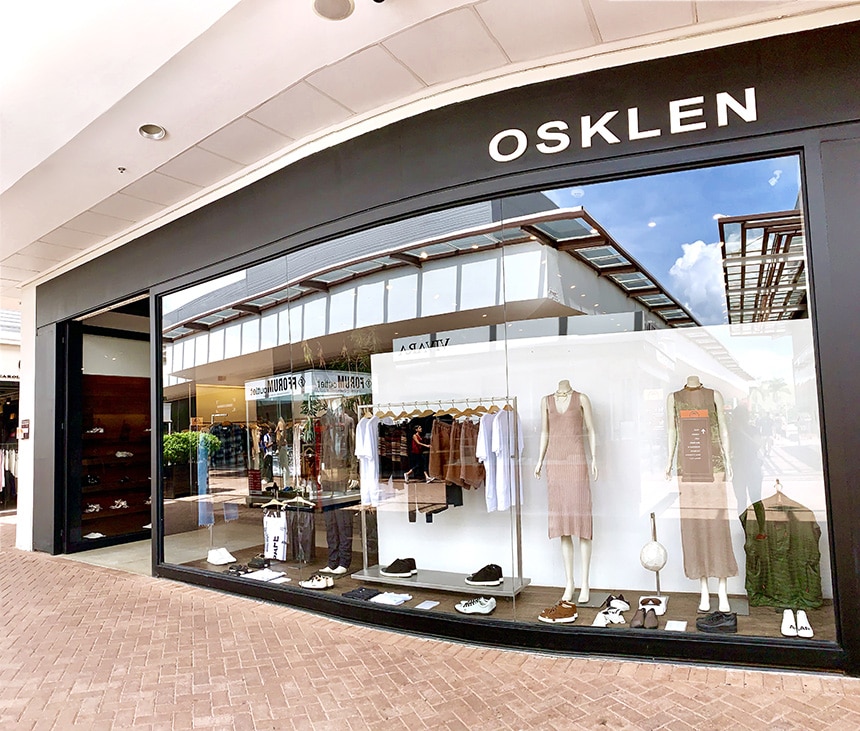
Another famous brand of the Company is Osklen, which focuses on shoes, sneakers, t-shirts, shorts, polo shirts, jackets, and some accessories.
Similarly, its products are aimed at a wide variety of audiences. The company manages to operate both in physical stores and through its online sales channel.
Osklen seeks to operate innovatively, with launches that it includes as a sustainable lifestyle, aiming for production that is both efficient and allows for the conservation of forests and biodiversity.
Mizuno
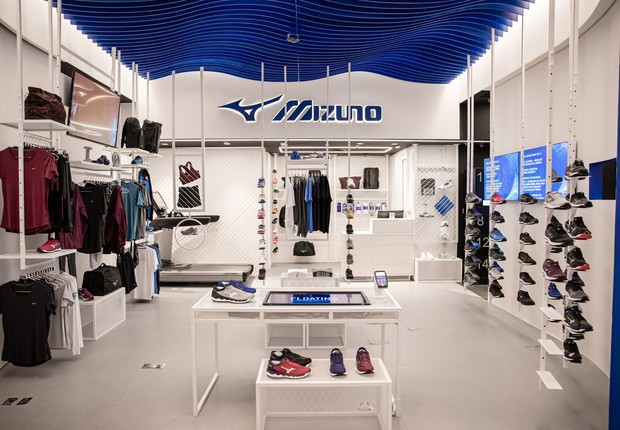
Another iconic brand of Alpargatas is Mizuno, related to sports articles. Well-known in the sports and fitness sector in Brazil, it is responsible for manufacturing a complete portfolio for all audiences in this segment. In other words, Mizuno sells:
Casual, running, and football shoes;
T-shirts, shorts, tank tops, skirts, pants, leggings, and jackets;
Bags, backpacks, socks, and hydration belts.
Dupé
The Dupé brand mainly operates in the northeastern region in the rubber flip-flop market. Its portfolio includes various lines for both women and men, as well as special categories for kids and babies.
The products are also produced with diverse prints ranging from Brazilian football teams to children's drawings like Turma da Mônica and Chaves.

Meggashop Outlet
In the Meggashop Outlet space, Alpargatas' outlet located in Montes Claros-MG, the company manages to group its iconic brands to sell to consumers at more accessible and discounted prices.
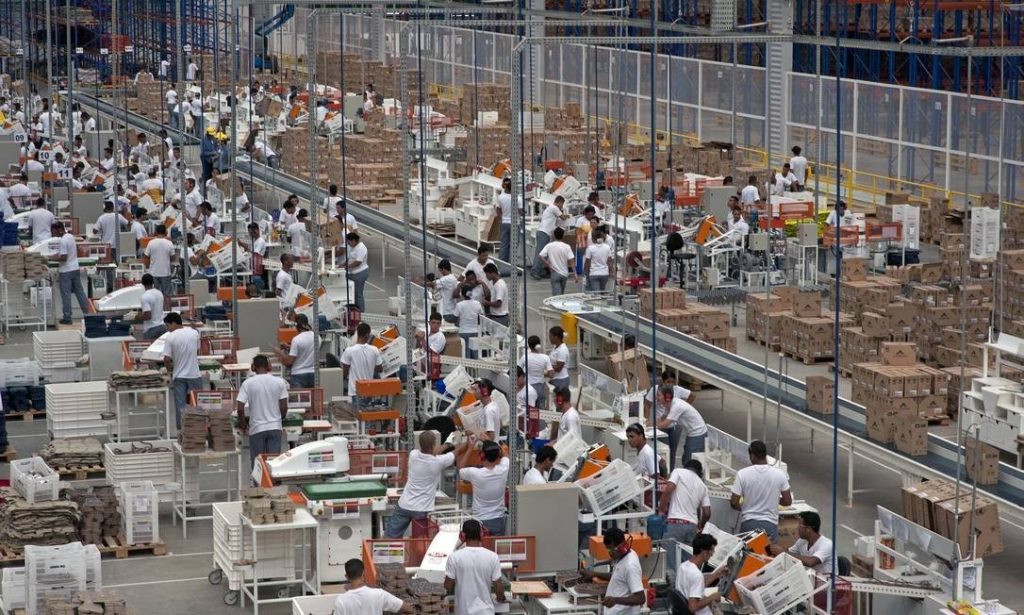
More than that, it takes advantage of the proximity of one of its factories located in this city to group a considerable variety of products for direct sales to consumers, with low logistics, transportation, and storage costs.
Operation and positioning
Alpargatas has a solid presence, with sales and commercial activity in more than 22 countries and offices in 6 countries in Europe, 1 in Los Angeles in the USA, 1 in Hong Kong, and 1 in Colombia, in addition to its headquarters in São Paulo. The Company's 4 factories are located in three states:
The presence of products in these countries is also greatly boosted by online sales partnerships with major retail companies. An example of this is the sale of Havaianas and Osklen items on Amazon, which enhances the digital experience in Europe and the United States.
Alpargatas' long history began in 1907 when the Scotsman Robert Fraser arrived from Argentina to Brazil. At that time, Robert joined other entrepreneurs to establish the Brazilian Factory of Alpargatas and Footwear.
The factory, located in Mooca in São Paulo, began producing alpargatas, wheels, and locomotive tarpaulins, which were very successful in coffee plantations and started to boost the company's business.
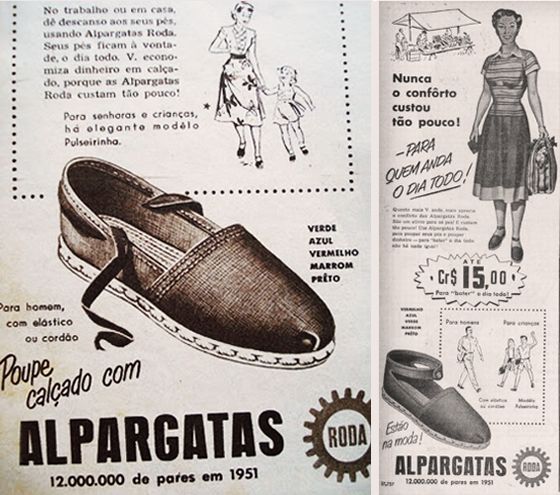
After growing rapidly in 1910, the company went public and listed its shares on the São Paulo Stock Exchange to raise more funds and invest in expanding its operations, further growing the business.
After temporarily halting production due to the coffee crisis in 1929, the company resumed its activities in the 1930s. In that context, the company launched its first leather shoes.
The 1950s were marked by major launches from Alpargatas. Thus, the models of the Conga sneaker and the Bamba Basketball inaugurated a new era of footwear in Brazil.
Incredibly, its mission to expand its visibility led it to sponsor the broadcasts of the World Cup games in Sweden in 1958.
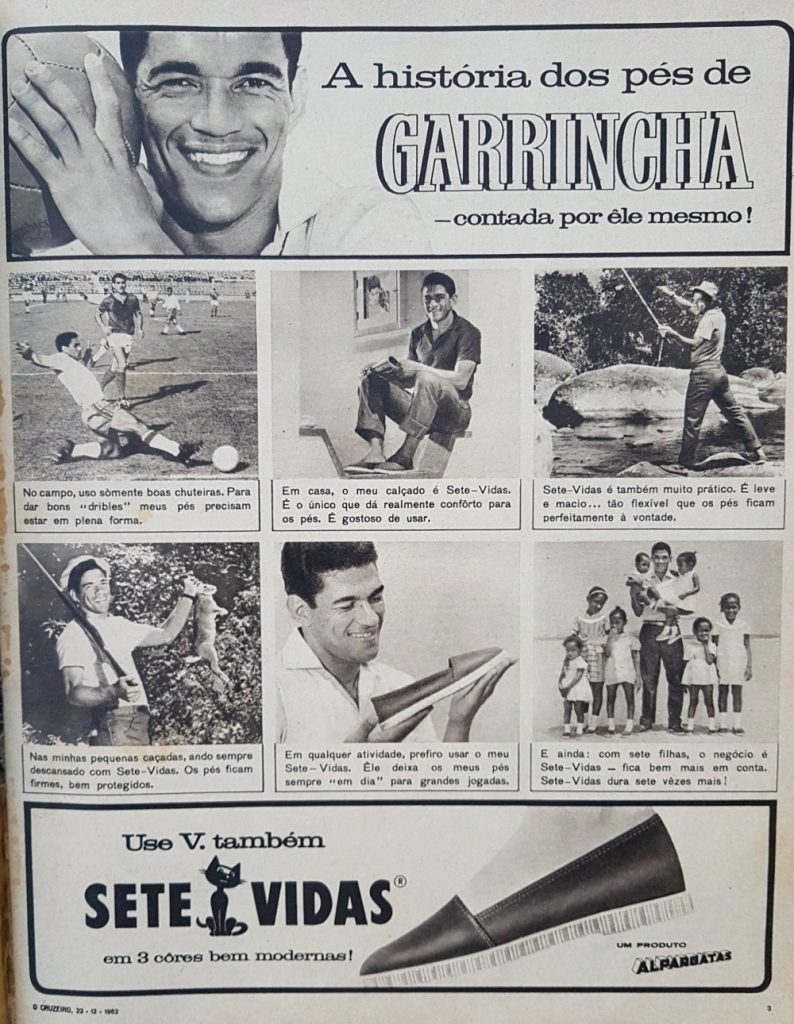
In the 1960s, the Company launched the well-known Havaianas, which entered the market at the time with great success. Soon in the following decade, the company acquired the Rainha brand and introduced the Kichute and the Topper, aimed at the sports segment.
Alpargatas' accelerated growth led the company to inaugurate two new factories in Paraíba, one in Campina Grande and another in Santa Rita, in the 1980s.
In the following decade, the company launched the international brand Mizuno in Brazil, while Havaianas flip-flops were breaking records: 100 million pairs sold. In addition, Alpargatas licensed the Timberland brand, specialized in adventure sports, and Nike, whose license remained in its possession until 1994.
The 21st century began for the company with a significant global reach of its brands, in addition to consolidating its business in Brazil. Thus, Havaianas conquered showcases around the world, and the company acquired the Brazilian Sandals Company, owner of the Dupé sandal brand.
More than that, it opened an office in New York in 2007, starting its own operations not only in the USA but also in Europe, and acquired a significant stake in Alpargatas Argentina. Shortly thereafter, the company was already opening commercial offices in Spain, the United Kingdom, France, and Italy.

In 2010, Alpargatas purchased a large part of the Osklen company, starting to operate with differentiated footwear and clothing items. In contrast, the year 2015 was marked by the sale of its Rainha and Topper sports footwear brands in Brazil to a group of investors for about R$48.7 million.
Soon after, there was a change in its controlling group, which ceased to be the Camargo Correa group and passed to the holding J&F, owner of JBS. In 2017, another change in control of Alpargatas occurred, which became divided between Itaúsa – Investimentos Itaú S.A. and Cambuhy Investimentos, in a purchase of approximately R$3.5 billion.
Recently, Alpargatas began a series of new launches, especially under the Havaianas brand, such as the old model of alpargatas made for all audiences.
Finally, the Company reached the year 2020 with a significant presence and visibility considering its 150,000 points of sale in Brazil and 10,000 abroad, along with the intense marketing of its iconic brands, which are well-remembered in the footwear market.